


Author : Dr Mike Garside
Common Illnesses & Infections That Often Spread In The Classroom: A Guide For Parents
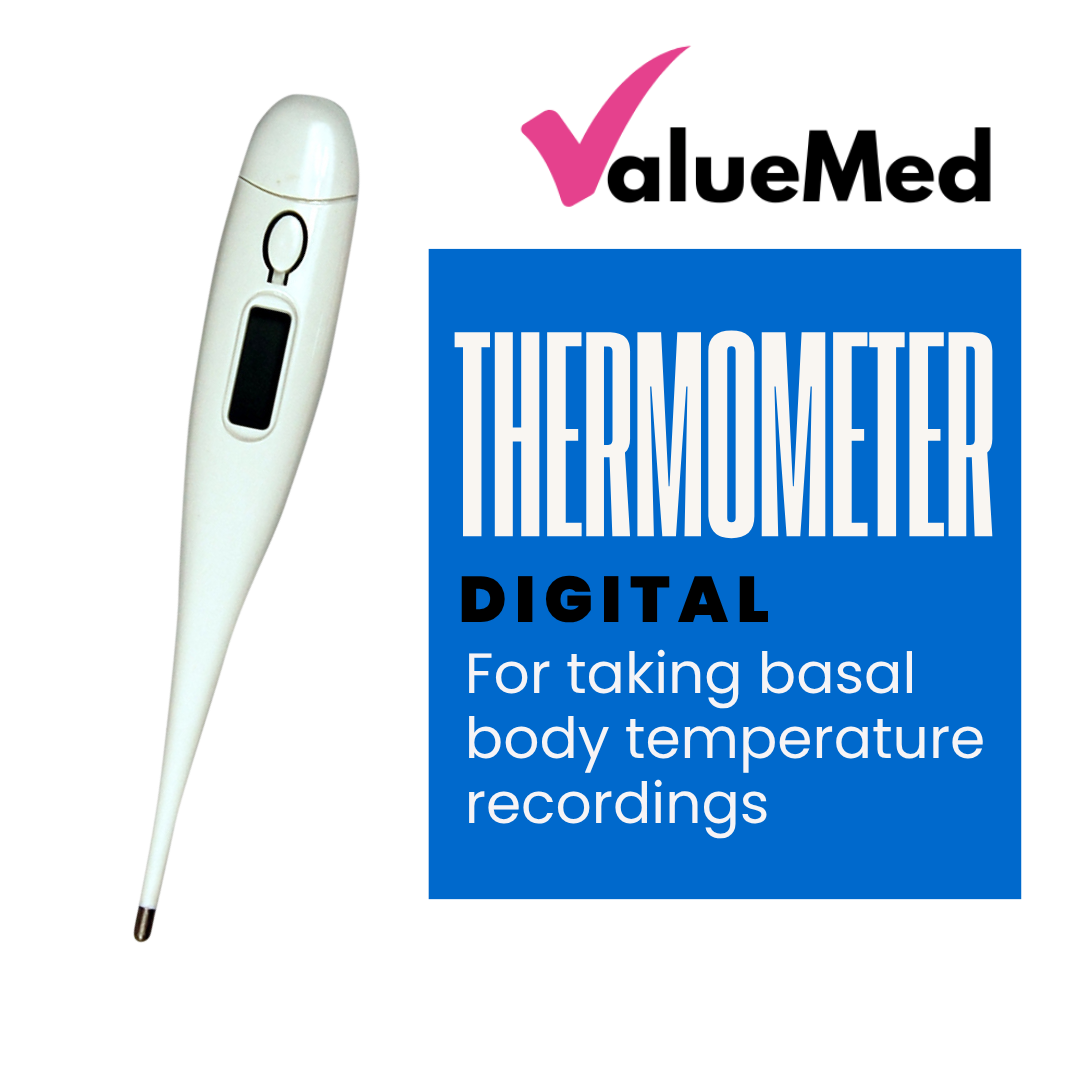
Every September, the same pattern repeats in households across the UK. The children go back to school, and within a fortnight, half the family is sniffling, feverish or complaining of a sore throat. This is completely normal. Classrooms, playgrounds and after school clubs are the perfect environment for germs to pass from child to child, and from there straight back to you. Having a reliable digital thermometer in the house is one of the simplest ways to keep track of how unwell someone actually is, rather than guessing from a hot forehead.
The tricky part for most parents is working out which bug is which. A sore throat could be nothing more than a cold, or it could be Strep A. A fever could be a mild virus, or it could be flu or COVID-19. Our range of home test kits can help take some of the guesswork out of these decisions, alongside good old fashioned clinical judgement. This guide walks through the most common back to school bugs, the symptoms worth watching for, and when it is time to pick up the phone to your GP.
Why the whole class seems to get ill at once

Children spend hours in close contact with each other, sharing pencils, toys and tables, and their hand hygiene is rarely perfect. Add in the fact that young immune systems are still building up their defences against common viruses, and it is easy to see why bugs spread through a school so efficiently. A cough or sneeze can hang in the air of a classroom for longer than you might think, and many childhood viruses are contagious before any symptoms even appear, which makes them almost impossible to avoid entirely.
The goal is not to stop every bug getting into the house. It is to recognise symptoms early, manage them sensibly at home, and know when something needs a doctor's attention rather than just a good night's sleep.
The common cold and other mild viral infections
The vast majority of back to school illnesses are simple viral infections. A runny or blocked nose, a mild cough, a slightly sore throat and general tiredness usually point to a common cold. Fever, if present, tends to be low grade and settles within a day or two.
There is no cure for a cold, only management. Plenty of fluids, rest, and age appropriate paracetamol or ibuprofen if your child is uncomfortable are usually all that is needed. Checking their temperature with a proper thermometer, rather than a hand on the forehead, gives you a much clearer picture of whether a fever is mild or something to keep a closer eye on. A forehead thermometer is often particularly useful in younger children.
When a sore throat might be Strep A
Most sore throats in children are viral and will pass on their own. However, a small proportion are caused by Group A Streptococcus, a bacterial infection that can also cause scarlet fever. The classic signs to watch for are a throat that is very painful to swallow, a high fever that comes on quickly, swollen glands in the neck, and sometimes a fine, sandpaper-like rash across the chest and body, along with a strawberry-red tongue.

Because Strep A is bacterial rather than viral, it is one of the infections that usually needs antibiotics, which is why identifying it correctly matters. A home Strep A throat swab test can give you a result in as little as 5 to 10 minutes, which can be reassuring while you decide whether a GP appointment is needed. You can read more about the signs of Strep A and when to test in more detail. It is worth noting that our home kits are designed specifically for self-testing; the bulk professional packs used in clinics and pharmacies are intended for healthcare staff only. Because strep A can have serious consequences if in doubt, even if the test is negative, always see your doctor or physician if your child is systemically unwell.
Flu and COVID-19: telling the difference

Flu and COVID-19 can look remarkably similar, and both remain common through the autumn and winter school terms. Both tend to cause a sudden high fever, aching muscles, a headache, exhaustion and a cough. COVID-19 more specifically can also cause a loss or change in taste or smell, although this is not universal, especially in children.
Because the symptoms overlap so much, a combined test that checks for both at once can be genuinely useful. Our COVID & Flu home test kit uses a gentle nasal swab and gives separate results for COVID-19, Influenza A and Influenza B in around 15 minutes, so you know which bug you are actually dealing with rather than guessing.
Common back to school bugs at a glance
| Bug or illness | Key symptoms | What can help |
|---|---|---|
| Common cold / viral infection | Runny nose, cough, mild sore throat, low grade fever | Rest and fluids; use a digital thermometer to track any fever |
| Influenza (flu) | Sudden high fever, muscle aches, exhaustion, cough | A combined nasal swab test can confirm flu within 15 minutes |
| COVID-19 | Fever, cough, fatigue, sometimes loss of taste or smell | The same COVID & Flu test checks for this alongside flu |
| Strep A / scarlet fever | Severe sore throat, high fever, sandpaper rash, strawberry tongue | A home throat swab test gives a result in 5 to 10 minutes |
| Hand, foot and mouth disease | Mouth ulcers, spots on hands and feet, mild fever | Usually settles alone; fluids, paracetamol if uncomfortable |
| Conjunctivitis (pink eye) | Red, sticky or watering eyes | Bathe with cooled boiled water; ask a pharmacist if it lingers |
| Norovirus (stomach bug) | Sudden vomiting and diarrhoea | Fluids and rest; keep off school for 48 hours after symptoms clear |
| Head lice | Itchy scalp, visible eggs or lice | Wet combing with a fine-toothed comb, treating the whole household |
| Impetigo | Golden, crusty sores around the nose and mouth | See a GP or pharmacist, as it usually needs antibiotic cream |
These timeframes and symptoms are typical patterns rather than firm rules. Every child presents slightly differently, so use this as a general guide rather than a diagnosis.
Digital Thermometer
Simple, fast and accurate. A must-have in any family first aid kit for tracking fevers during term time.
From £1.99
Shop Now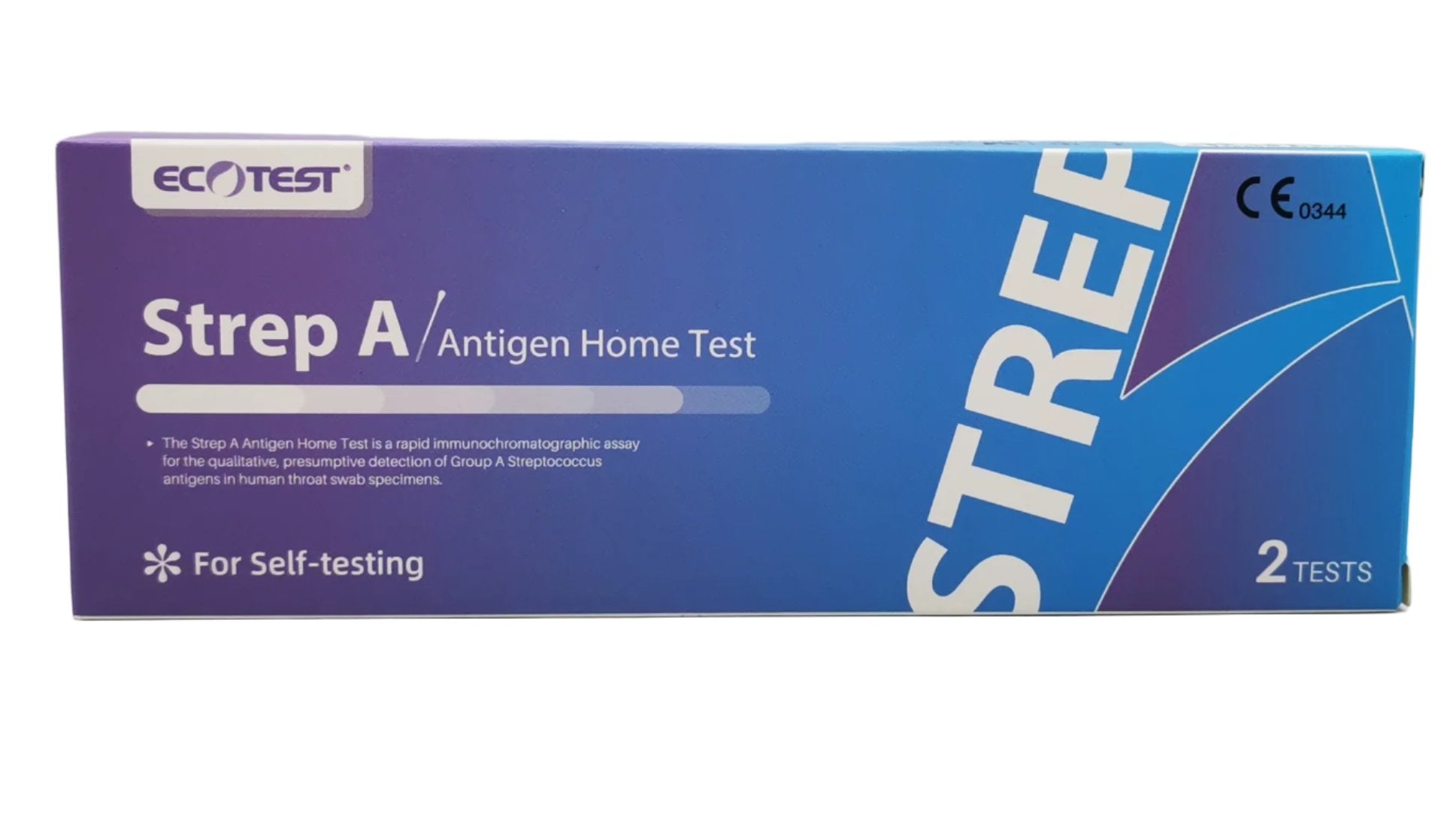
Home Strep A Test Kit
A twin pack throat swab test that helps identify Strep A infection at home in as little as 5 to 10 minutes.
From £9.99
Shop Now
COVID & Flu Home Test
A single gentle nasal swab that checks for COVID-19, Influenza A and Influenza B, with results in around 15 minutes.
From £4.99
Shop NowHand, foot and mouth disease

Despite the alarming name, hand, foot and mouth disease is usually a mild viral illness that mostly affects younger children. It causes small mouth ulcers along with spots or blisters on the hands and feet, sometimes with a mild fever beforehand. It spreads easily in nurseries and primary schools through close contact and shared surfaces.
There is no specific treatment. Cool fluids, soft foods, and paracetamol or ibuprofen for discomfort are usually enough, and the illness typically clears within seven to ten days. It is contagious, so good handwashing habits at home make a real difference to stopping it spreading to siblings.
Conjunctivitis (pink eye)
Conjunctivitis causes the eyes to become red, itchy, watery or sticky, often with a crust that forms overnight. Viral and bacterial conjunctivitis both spread quickly among children who rub their eyes and then touch shared toys or surfaces.
Gently bathing the eyes with cooled, boiled water on cotton wool can help clear away discharge. Most cases resolve within one to two weeks without treatment, although a pharmacist can advise on eye drops if it is particularly troublesome, and a GP should be seen if there is pain, vision changes, or no improvement after a week or so.
Head lice

Head lice are an unwelcome but extremely common part of school life. They cause an itchy scalp, and close inspection may reveal tiny eggs (nits) attached to hair shafts or the lice themselves moving through the hair. They spread through direct head to head contact rather than poor hygiene, so they can affect any child.
Wet combing with a fine-toothed detection comb, done thoroughly and repeated every few days, is an effective way to check for and remove lice. Because they spread so easily within families, it is worth checking and treating everyone in the household at the same time, rather than just the child who first shows symptoms. Mot children will get head lice and bring them home at some point. Girls are often more susceptible as they have longer hair.
Could regular nit-combing help?
Although you can't completely prevent your child from catching head lice, regular detection combing is a really useful habit.
Rather than waiting until your child starts scratching their head, you can check their hair regularly with a fine-toothed head-lice detection comb. This means that if they do pick up a louse at school or nursery, you are much more likely to discover it early.
For families with young children, making it part of the normal hair-washing routine can make it much easier. For example, you could check once a week when washing your child's hair.
How to check for head lice
Wet combing is particularly useful because conditioner makes the hair easier to comb and slows the lice down.
- Wash your child's hair with ordinary shampoo.
- Apply plenty of conditioner.
- Gently untangle the hair with a normal comb.
- Use a fine-toothed head-lice detection comb.
- Starting at the roots, comb right through to the ends.
- Work methodically through the whole head, checking the comb after each stroke.
- Pay particular attention to the hair around the ears and the back of the neck.
A proper detection comb is important because it is designed to catch the tiny lice.
What if you find a louse?
Don't panic. Head lice are unpleasant and irritating, but they are not dangerous.
The important thing is to treat them promptly and check other members of the household and anyone else who has had close contact. You only need to treat people in whom live lice are found. Finding an empty nit or egg case on its own does not necessarily mean there is an active infestation.
The good news is you don't have to use chemicals to treat them. If you have found live lice, wet combing can be used to remove them. The NHS recommends wet combing on days 1, 5, 9 and 13, followed by another check on day 17, to catch newly hatched lice.
Stomach bugs: diarrhoea and vomiting
Norovirus and similar stomach bugs sweep through schools with impressive speed, causing sudden vomiting and diarrhoea, often alongside stomach cramps and a mild fever. It is highly contagious and can survive on surfaces for some time, which is why outbreaks in classrooms and nurseries can spread so quickly.
The main risk with these bugs is dehydration, particularly in younger children. Small, frequent sips of water or an oral rehydration solution are far more effective than large amounts in one go. Most stomach bugs settle within a few days, but children should stay away from school until 48 hours after the last episode of vomiting or diarrhoea to avoid passing it on to others.
Impetigo
Impetigo is a bacterial skin infection that most often appears around the nose and mouth, causing sores that develop a distinctive golden, crusty appearance. It is very contagious and spreads readily among young children through close contact and shared towels or flannels.
Impetigo generally needs a GP or pharmacist assessment, as it is usually treated with an antibiotic cream or, in more widespread cases, oral antibiotics. Children should stay off school until the sores have crusted over and healed, or until 48 hours after starting antibiotic treatment.
School exclusion guidelines: when to keep your child at home
UK schools generally follow guidance on exclusion periods to reduce the spread of infection. As a rough guide, children should stay off school with a fever, vomiting or diarrhoea until they have been symptom free for 24 to 48 hours, and with chickenpox until all the spots have crusted over. Coughs and colds without a fever do not usually require time off, provided your child feels well enough to take part in the school day.
If in doubt, your school office or GP surgery can confirm the current exclusion guidance for a specific illness.
Red flag symptoms: when to seek urgent help

Most back to school bugs are unpleasant but not dangerous. However, there are certain symptoms that should never be ignored. Seek urgent medical attention if your child has difficulty breathing, a rash that does not fade under pressure, persistent vomiting with signs of dehydration, extreme drowsiness or floppiness, a very high fever that does not respond to medication, or a stiff neck with sensitivity to light. Trust your instincts. You know your child better than anyone, and if something feels seriously wrong, contact NHS 111 or your GP without delay, or dial 999 in an emergency.
Helping your family stay well this term
You cannot bug-proof a classroom, but a few simple habits make a genuine difference. Encourage regular handwashing, particularly before eating and after school. Keep a thermometer somewhere easy to find, so you are never guessing whether a fever is significant. Make sure everyone is getting enough sleep, as tired immune systems fight off infections less effectively. And when symptoms do appear, having a couple of reliable home test kits in the cupboard can help you make faster, more confident decisions about what your child needs.
Monitoring your family's health with Valuemed
At Valuemed, we have been supplying reliable, doctor-approved medical equipment and test kits to UK households since 1998. Whether it is a digital thermometer for tracking a fever, a Strep A test for a worryingly sore throat, or a combined flu and COVID-19 test to help you plan the week ahead, having the right tools at home takes some of the stress out of the inevitable autumn term illnesses.
Medical Disclaimer
This article is written for general educational purposes and is not intended to replace professional medical advice, diagnosis or treatment. If you are concerned about your child's symptoms, please contact your GP, pharmacist or NHS 111 for advice, or 999 in an emergency.
Home test kits, including Strep A and COVID & Flu tests, provide an indicative result only. A negative result does not completely rule out infection, and a positive result should be discussed with a healthcare professional where appropriate. Free NHS testing may also be available for certain conditions through your GP or local pharmacy; ask your healthcare provider for current guidance.