

Author : Dr Kate Garside
If you’re monitoring your blood sugar levels or have been told you’re at risk of diabetes, you may be wondering: can I test my HbA1c at home? The short answer is yes – home HbA1c tests are available – but there are a few important things to understand first.
What is HbA1c?
HbA1c (glycosylated haemoglobin) is a blood test that shows your average blood sugar levels over the past two to three months. It works by measuring how much glucose (sugar) is attached to your red blood cells. Because red blood cells live for around 8–12 weeks, the test gives a longer-term picture of blood sugar control.
It is commonly used to:
- Diagnose diabetes
- Identify prediabetes
- Monitor how well diabetes is being managed
A normal HbA1c is below 5.7%, 5.7–6.4% suggests prediabetes, and 6.5% or higher may indicate diabetes.
Are there home HbA1c tests?
Yes, there are two main types of home HbA1c tests available:
1. Finger-Prick Mail-In Tests
You use a small lancet to collect a few drops of blood from your finger and send the sample to a laboratory. Results are usually available online within a few days.
2. Instant At-Home Testing Kits
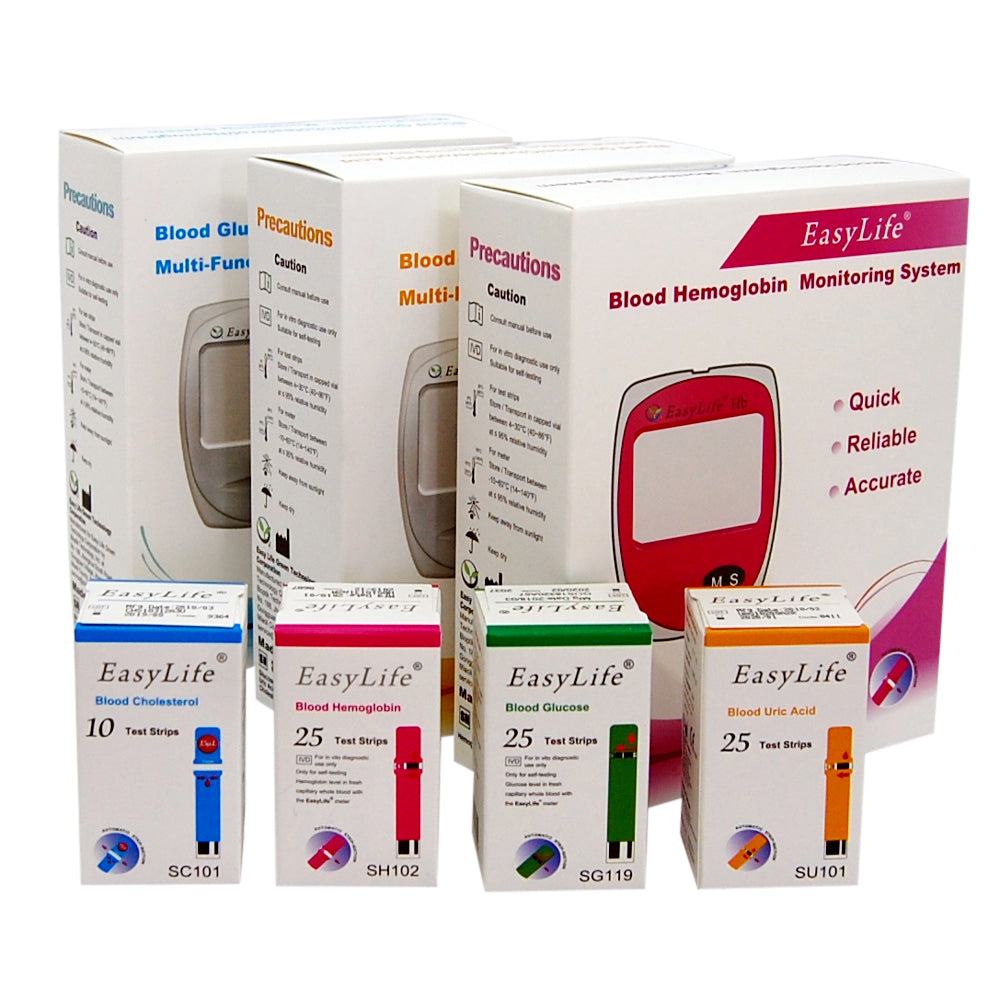
Some at home HbA1c test kits include a small cassette device that gives you a result at home within minutes. This is the best way to get an instant HBA1c test result.
Are home tests accurate?
Home HbA1c test kits can be reliable when used correctly, particularly those analysed in certified laboratories. However, they may not be quite as precise as an HbA1c test carried out directly through your GP surgery or hospital.
For diagnosis or treatment decisions, it’s always best to discuss your results with a healthcare professional.
Advantages of testing at home
- Convenient – no appointment needed
- Can be done at any time of day
- Helpful for monitoring between GP visits
- Useful if you prefer privacy
Things to keep in mind
- Make sure you follow the instructions carefully
- Poor sample collection can affect accuracy
- Home tests should not replace regular medical care
- If your result is high or unexpected, seek medical advice
Confirming your home HbA1c test result
If you don’t have symptoms of diabetes, a second test is usually needed to confirm your results, even when testing at home.
If your home HbA1c test shows a higher-than-normal result, it’s important not to panic. A single high reading does not automatically mean you have diabetes or pre-diabetes, but it is a signal to take action. The first step is to contact your GP or healthcare provider to discuss your results and arrange a confirmatory lab test. They can help interpret your numbers in the context of your overall health, guide further testing if needed, and provide advice on lifestyle changes or treatment options to reduce your blood sugar and protect your long-term health.
Limitations of home testing for HbA1c
Home HbA1c testing may not be suitable for pregnant women, children or young people, or anyone with certain blood conditions such as anaemia or haemoglobin disorders.
How often should you repeat the HbA1c test at home?
For people with diabetes, regular testing—typically every 3 to 6 months—helps track long-term blood sugar control, and home kits can be a convenient way to do this between clinic visits.
Should you test your HbA1c at home?
Home testing can be a helpful tool if you are managing diabetes or keeping an eye on your blood sugar levels. However, it works best as part of a wider care plan rather than as a substitute for professional support.
Buy HbA1c test kit for home use
If you’re unsure whether home testing is right for you, speak to your GP or diabetes nurse for guidance.
Obtaining the blood sample for the home HbA1c test
Many home HbA1c and other medical test kits require a small blood sample, which is usually obtained using a lancet. A lancet is a small, sterile device designed to make a quick, minimally painful prick on your fingertip to collect a few drops of blood. If you’re new to using a lancet, it’s important to follow the instructions carefully to ensure a safe and accurate sample.
For detailed guidance on how to collect a blood sample at home, you can read our step-by-step instructions here: How to Obtain a Blood Sample for Home Test Kits
Further reading
- HbA1c Test: Everything You Need to Know
- Rethinking Sugar: More Than Just Desserts
- Is Sugar Addiction Real?:Understanding The Science Behind Cravings
- The 'Sugar Addiction' Trap: How Wheat, Alcohol & Processed Foods Keep You Hooked