


Author : Dr Kate Garside
Understanding the Signs of High Blood Sugar and Your Diagnostic Options
If you have been feeling unusually thirsty, tired, or noticed a sudden change in your vision, your body might be trying to tell you something. These are common symptoms of high blood sugar. While only a clinical professional can provide a formal diagnosis, using a home diabetes test kit is a reliable first step in diabetes monitoring at home.
Common Symptoms of Diabetes
Many people live with Type 2 diabetes for years without realising it. Recognising the early signs is vital for long-term health. Keep an eye out for these key indicators:
- Increased Thirst and Frequent Urination: Excess sugar in the blood pulls fluid from your tissues.
- Unexplained Fatigue: When your cells cannot access glucose for energy, you feel exhausted.
- Slow-Healing Wounds: High blood sugar can affect blood flow and the body's natural healing process.
- Blurred Vision: Changing fluid levels in the body can cause the lenses in your eyes to swell.
How Home Diabetes Tests Kits Can Help Early Diagnosis
Whether you are an individual looking for peace of mind, a healthcare professional providing point of care blood testing, or an HR manager overseeing workplace wellness, access to rapid diagnostic test kits is essential. Home medical testing UK standards have advanced significantly, offering accuracy that rivals traditional lab work for initial screening for common health conditions like diabetes.
For those managing their health proactively, a blood glucose test kit allows for immediate results, while an HbA1c home test provides a broader picture of your average blood sugar levels over the past three months.
Featured Diabetes Testing Products
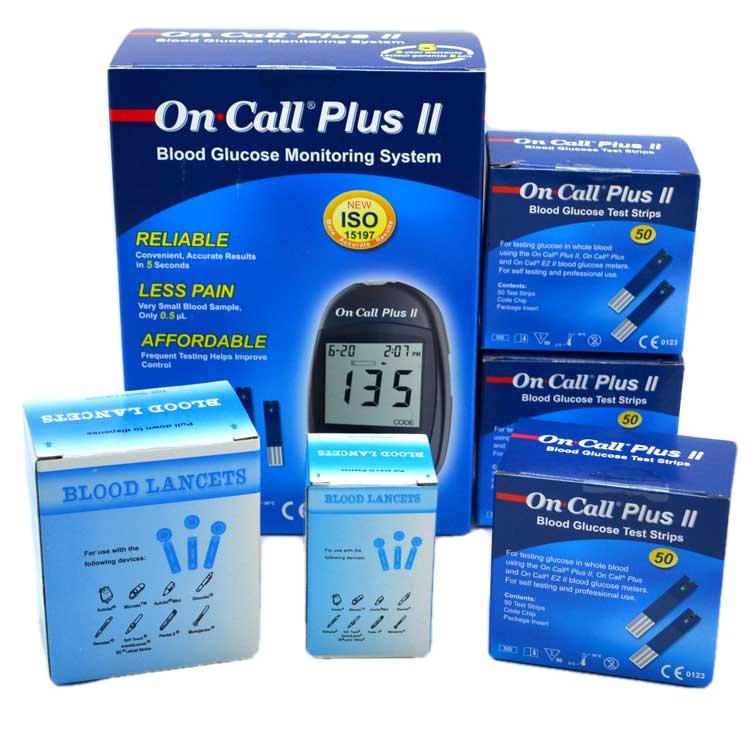
Blood Glucose Monitoring System
The best glucose meter for home use, providing fast and accurate blood glucose monitoring. This kit includes everything you need to start testing immediately.
Buy Now
HbA1c Home Test Kit
A comprehensive HbA1c home test that measures your average blood sugar levels over 90 days. Ideal for those looking for a deep dive into their metabolic health.
Buy Now
Glucose Test Strips (Pack of 50)
Never run out of supplies. High-quality glucose test strips designed for precision and ease of use with our standard glucose meter UK models.
Buy NowHow to Test Blood Sugar at Home
Learning how to test blood sugar at home is a straightforward process. Most modern home health test kits use a simple finger prick blood test method.
- Prepare: Wash your hands with warm water to increase blood flow.
- Lance: Use the lancing device provided in your blood sugar test kit to get a small drop of blood from the side of your fingertip.
- Test: Place the blood onto the medical test strips and insert them into the blood sugar monitor.
- Read: Your results will appear on the screen within seconds.
If your blood sugar readings are consistently high, it is important to consult a healthcare professional for a full clinical evaluation. Personal health testing kits are your great tools for screening for and managing your long-term wellbeing, but they do not replace the advice of a doctor or other medical or healthcare professional.
Pro Tip: For the most accurate capillary blood testing results, ensure your test strips are stored in a cool, dry place and are within their expiry date.
Why Early Diagnosis of Diabetes Is So Important
Early diagnosis of diabetes is crucial because it allows treatment to begin before serious and sometimes irreversible complications develop. Diabetes doesn’t usually cause obvious symptoms in the very early stages, meaning many people can have high blood sugar for years without realising it.
When diabetes is picked up early, blood glucose levels can be controlled sooner, which significantly reduces the risk of long-term damage to vital organs. Research shows that early treatment helps lower the chances of complications such as heart disease, kidney failure, nerve damage, vision loss, and stroke.
One of the biggest risks of late diagnosis is that damage may already have started by the time diabetes is identified. In fact, complications can begin years before diagnosis in some people, meaning the condition may already be progressing silently in the background.
Early detection also gives individuals the opportunity to make important lifestyle changes—such as improving diet, increasing physical activity, and managing weight—which can dramatically improve long-term health outcomes. It can even prevent or delay the progression of type 2 diabetes in some cases.
Most importantly, early diagnosis gives people time to understand their condition, access the right support, and build effective management routines. This not only improves physical health but also helps reduce anxiety and uncertainty following a diagnosis.
In short, the sooner diabetes is diagnosed, the better the long-term outlook. Early testing and awareness of symptoms can make a significant difference in preventing serious complications and supporting a healthier future.