


Author : Dr Mike Garside
Choosing where to buy medical supplies and equipment
Your GP has asked you to keep an eye on your blood pressure at home. You've just started your nursing degree and need your first stethoscope. Or perhaps you run a clinic that seems to get through a box of gloves every other day. Different situations, but the same question: where can you buy medical equipment and supplies that you can actually trust?
As a doctor, I care less about where something is bought than whether it works properly when it matters. A blood pressure monitor that over-reads by 10 or 15 mmHg, a thermometer that gives a different number every time, or home test kits that have been sitting in a hot warehouse can all lead to the wrong decision. This guide covers your options in the UK, what to check before you buy, and how to choose medical equipment with confidence, whether it's for your home, your studies or your workplace.
Your main options for buying medical supplies in the UK
There is no single right place to shop. Most people use a mix of the high street and online, and the best choice depends on what you need, how quickly you need it and how specialist it is.
A pharmacy is great when you need a thermometer this afternoon. It's less helpful when you're after a paediatric blood pressure cuff or fifty boxes of gloves. Here's how the main options compare.
| Where to buy | Best for | Things to bear in mind |
| High street pharmacies | Everyday items like thermometers and plasters, plus face-to-face advice from a pharmacist | Smaller range, often higher prices, and clinical-grade equipment is rarely stocked |
| Supermarkets and general retailers | Basic first aid and a handful of health gadgets | Very limited choice and no specialist knowledge behind the counter |
| Online marketplaces | Huge choice and fast delivery | Many third-party sellers, so counterfeit, grey import or badly stored stock can slip through |
| Specialist online medical suppliers | Clinical-grade equipment, meters and test strips and home test kits in one place | Check the company is UK based, lists real contact details and knows its products |
| Wholesale and trade suppliers | Clinics, pharmacies, schools and businesses buying in bulk | Ask about trade accounts and purchase orders before you place a large order |
For anything beyond the basics, I'd point most people towards a specialist medical supplier. You get a wider range, products chosen by people who understand them, and someone to ask when you're not sure which cuff size or test strip you need.
A few everyday essentials to get you started:
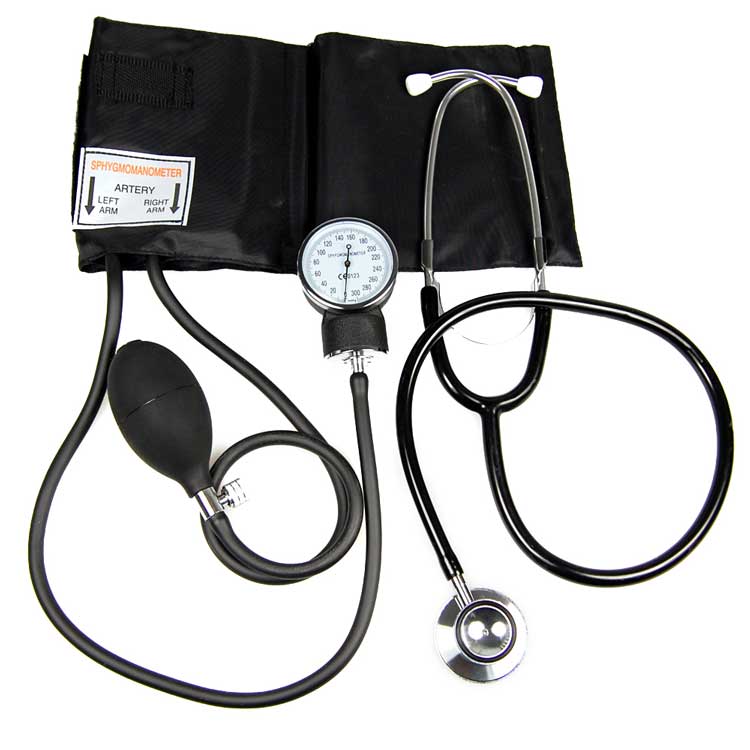
Sphygmomanometer and Stethoscope Set
A manual blood pressure kit with a stethoscope included. A sensible first set for students and clinics.
£13.75
View Product
Digital Thermometer
A quick, easy-to-read thermometer that belongs in every family first aid box.
From £1.99
View Product
3-in-1 COVID and Flu Home Test Kit
One nasal swab test for COVID-19, flu A and flu B, with a separate result for each.
From £4.99
View ProductWhat to check before you buy medical equipment
Wherever you shop, a few quick checks will tell you a lot about whether a product is genuine, safe and fit for purpose. None of them take long.
Look for a UKCA or CE mark
Medical devices sold in Great Britain should carry a UKCA or CE mark, and at the moment both are accepted. The mark shows the manufacturer has declared that the product meets the relevant safety and performance requirements. If you can't find a mark on the device, the box or the instructions, look elsewhere.
Check the manufacturer is registered with the MHRA
Medical devices placed on the market in Great Britain must be registered with the MHRA (the Medicines and Healthcare products Regulatory Agency). You can search by manufacturer name on the MHRA's Public Access Registration Database. Registration isn't a seal of approval, so be cautious of any listing that describes a device as "MHRA approved". It does confirm that the manufacturer has formally told the regulator about the device.
Choose clinically validated monitors
This matters most for blood pressure monitors, where accuracy varies a lot from one model to the next. The British and Irish Hypertension Society keeps a list of validated blood pressure monitors that is worth checking before you buy. Upper arm monitors are generally more reliable than wrist models, and the right cuff size matters just as much as the monitor itself.
Home use or professional use?
Test kits are labelled either for self-testing or for professional use. Professional kits are designed to be carried out and interpreted by trained staff in a clinical setting. If you're testing yourself at home, choose a kit that is clearly marked for self-testing and comes with plain English instructions.
Expiry dates, storage and instructions
Test strips, lancets and test kits all have a shelf life, and many are sensitive to heat and moisture. Buy from a supplier with a quick stock turnover, check the expiry date as soon as your order arrives, and make sure the instructions match the product in the box.
Support after you've bought it
Can you ring someone if your meter shows an error code? Will you still be able to get the right strips or a replacement cuff in six months? A UK phone number, a real address and a clear returns policy are all good signs.
Doctor's Tip: When you buy a new home blood pressure monitor, take it along to your next GP or pharmacy appointment and compare your reading with theirs. It's a quick way to check you're using it correctly.
Why the cheapest online listing can be a false economy
Online marketplaces are brilliant for plenty of things, but medical supplies aren't always one of them. Many listings come from third-party sellers you know very little about, and it isn't always easy to tell a genuine product from a copy, a grey import intended for another country, or stock that has been stored badly.
The problems I hear about most often are:
- Copied devices that look right but haven't been properly tested
- Test strips that don't match your meter, or arrive close to their expiry date
- Products with no UK marking, or instructions in another language
- Nobody to contact when a device stops working
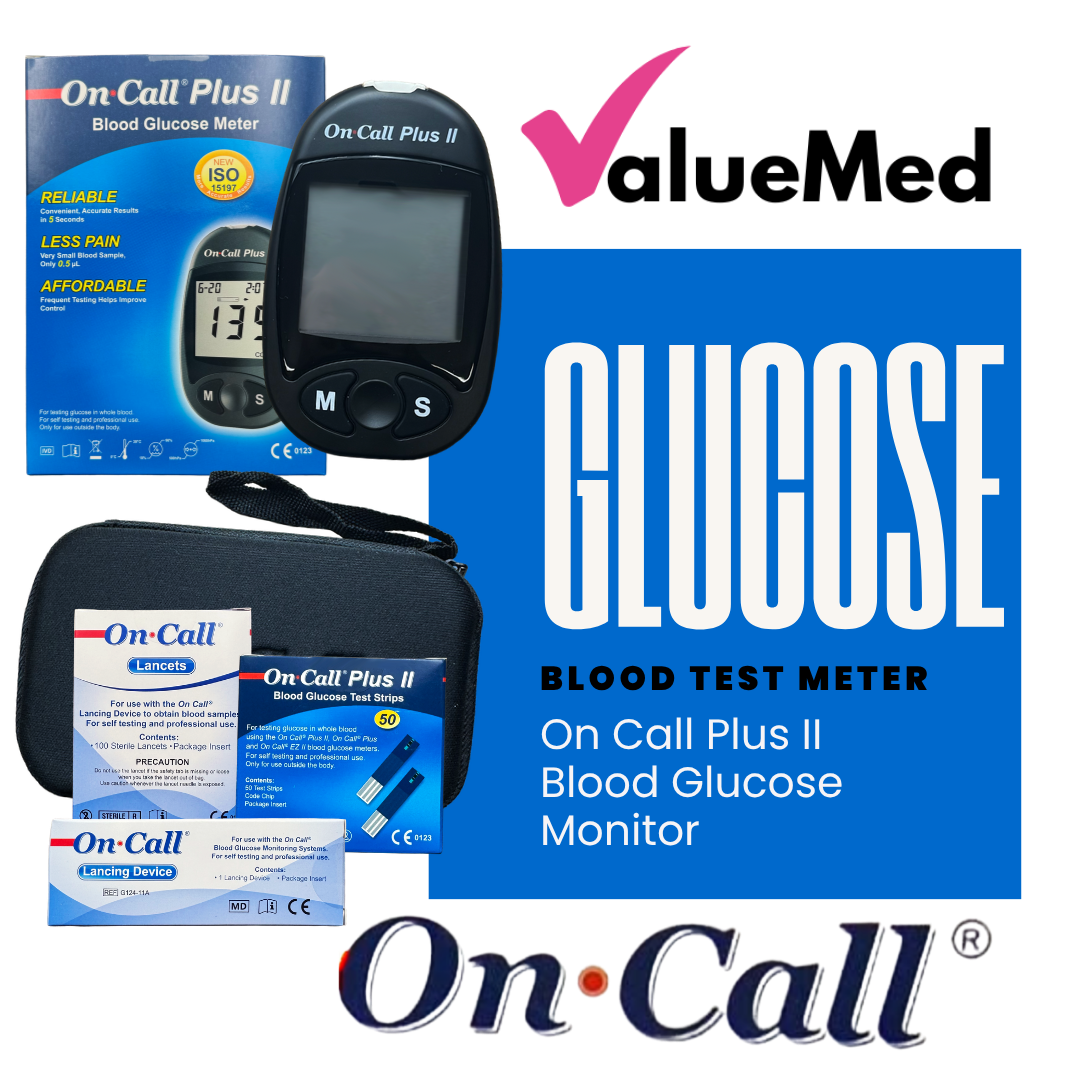
Glucose meters are a good example. The meter itself is usually inexpensive, but you'll keep buying strips for years. Before you choose a blood glucose meter, make sure its strips and lancets are easy to get hold of from a reliable supplier. A bargain meter isn't much use if you can't find strips for it next month.
Medical equipment for use at home
Most households don't need much, but a few well-chosen items make it far easier to look after yourself and your family, and to give your GP useful information when you need to.
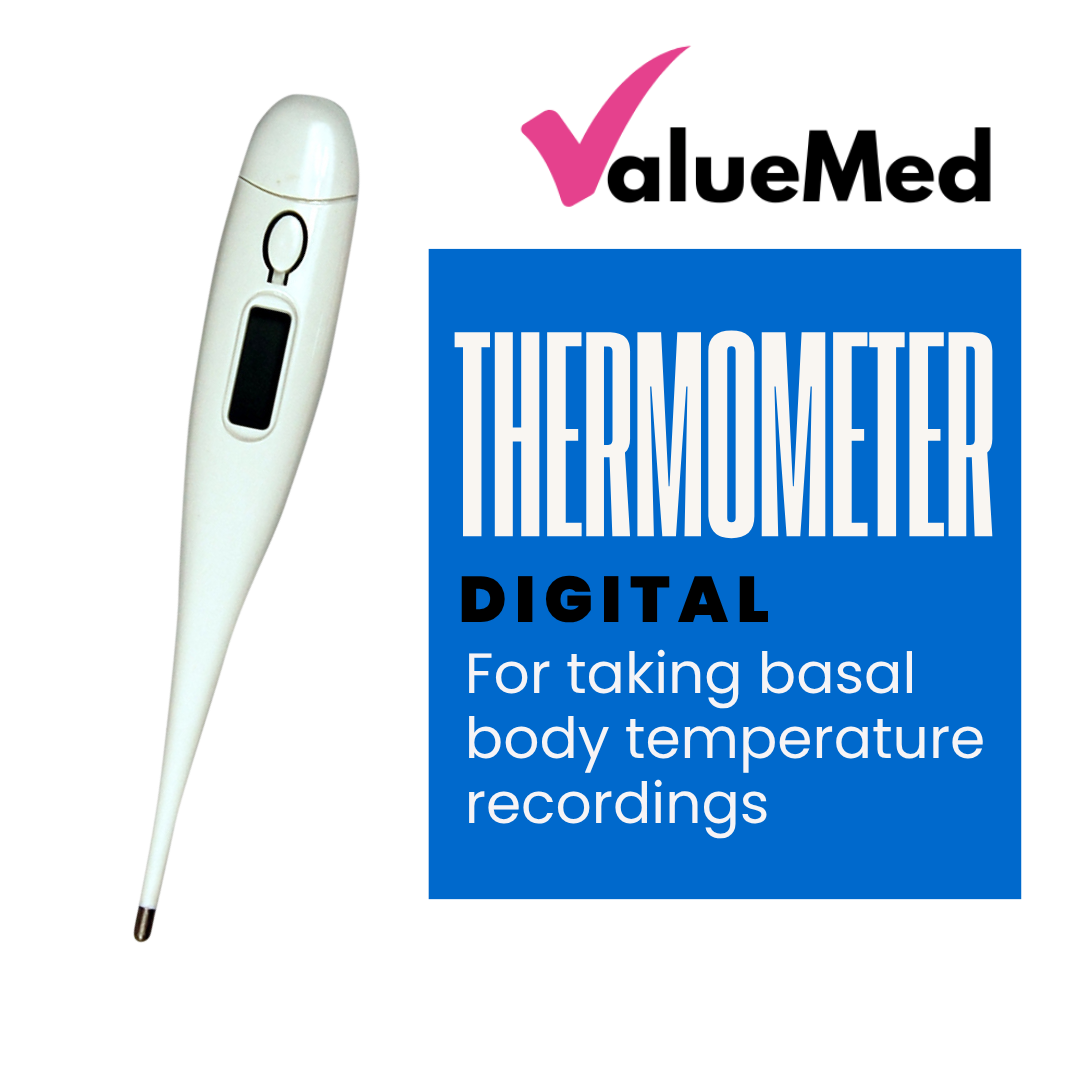
Glass mercury thermometers are no longer sold to the public in the UK, so a digital thermometer is the obvious choice. If your GP has asked you to monitor your blood pressure, an automatic upper arm monitor is the easiest option for most people.
| Home essential | What to look for |
| Blood pressure monitor | An upper arm model that has been clinically validated, with a cuff that fits your arm |
| Digital thermometer | A clear display, a quick reading time and a probe that's easy to clean between uses |
| Blood glucose meter | Test strips that are easy to buy and in date, plus a memory for tracking your readings |
| Lancets | Single-use lancets in a gauge that suits you. Higher gauge numbers are finer and usually more comfortable |
| Home test kits | Clearly labelled for self-testing, in date, with instructions that are easy to follow |
| Disposable gloves | Latex-free gloves if anyone in the house has a latex allergy |
A quick word on cuff sizes
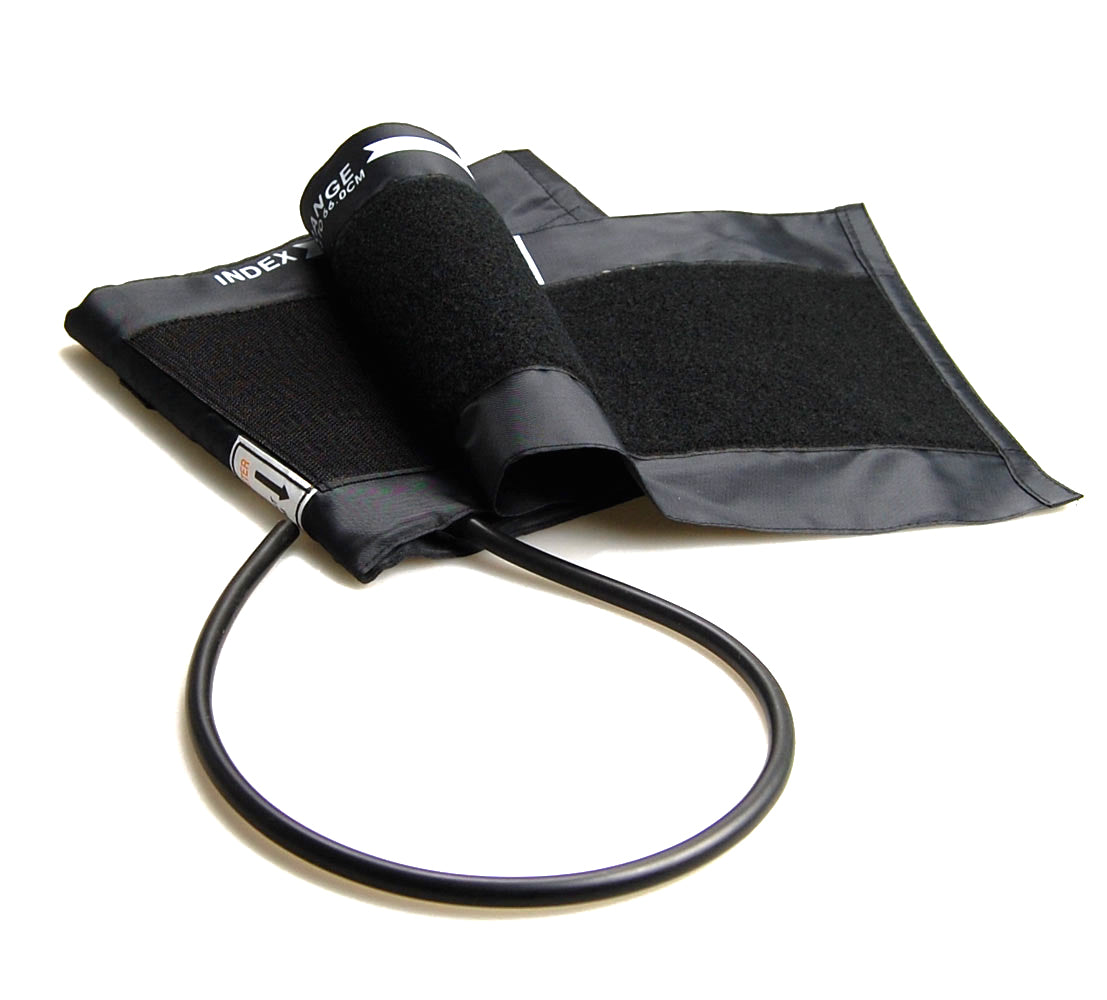
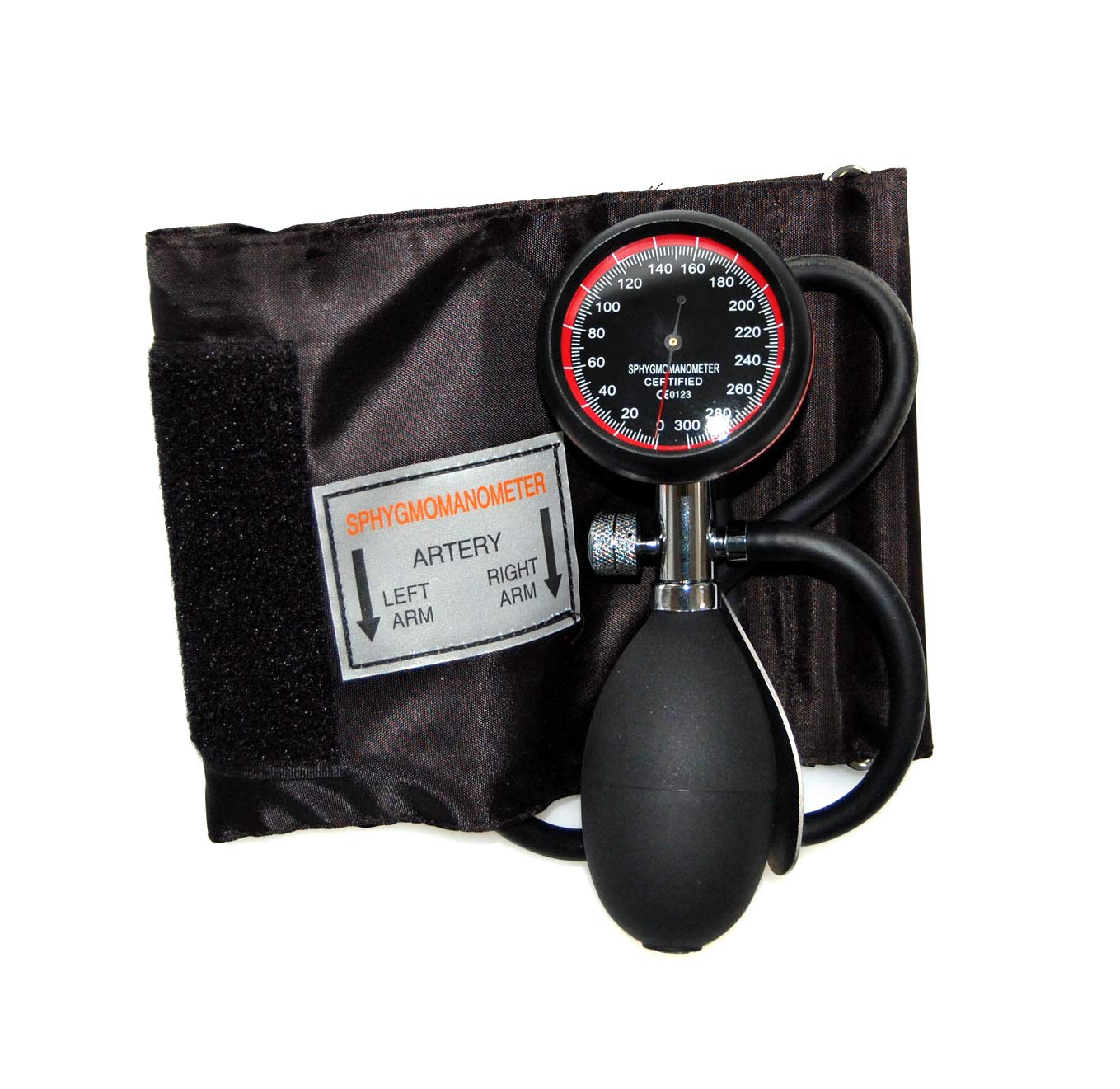
This is one of the most common reasons for misleading home readings. A cuff that's too small tends to give a falsely high reading, while one that's too large can under-read.
Measure around the middle of your upper arm and compare it with the range printed on the cuff. If you're between sizes or have a larger arm, we stock blood pressure cuffs in a range of sizes.
Medical supplies for students and healthcare professionals
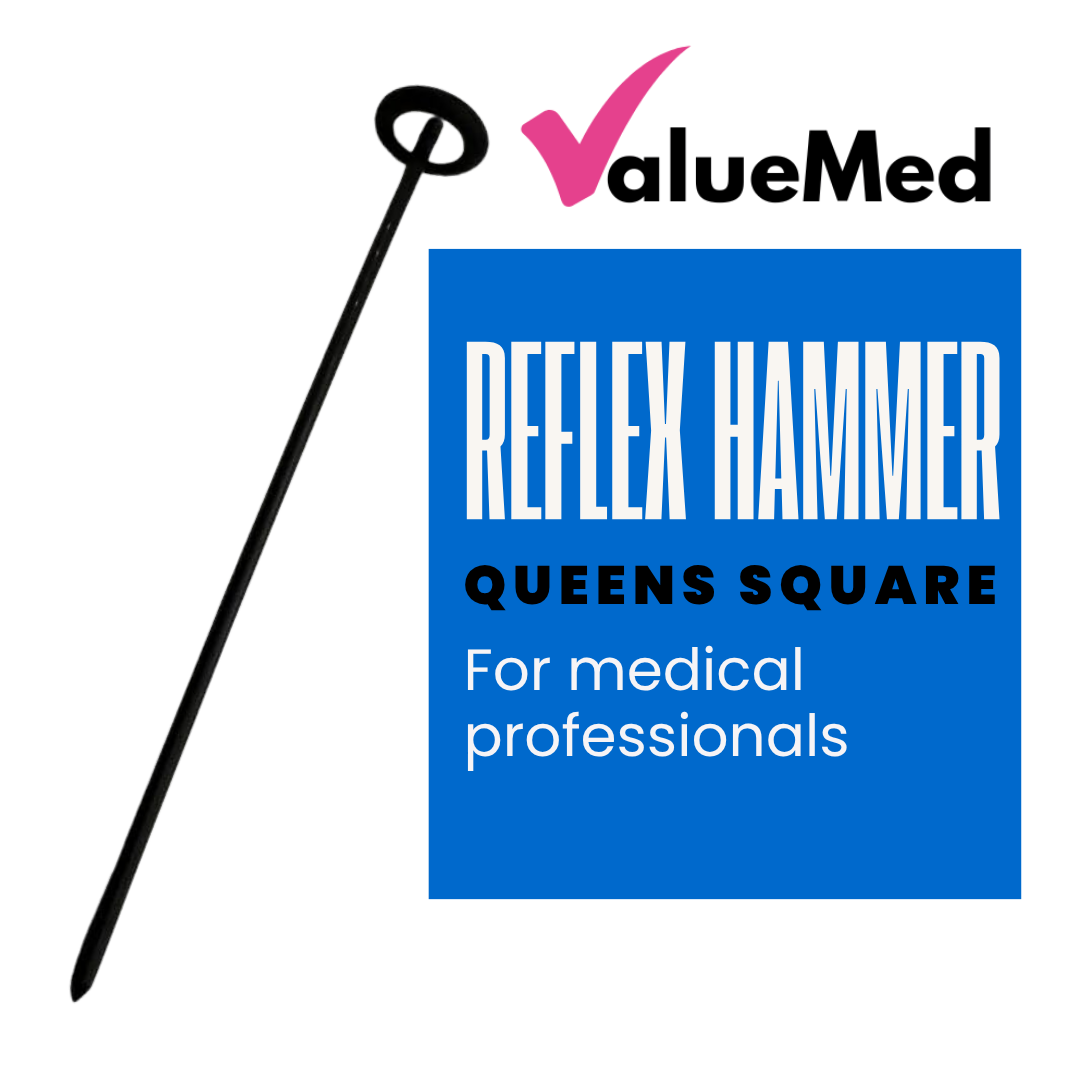
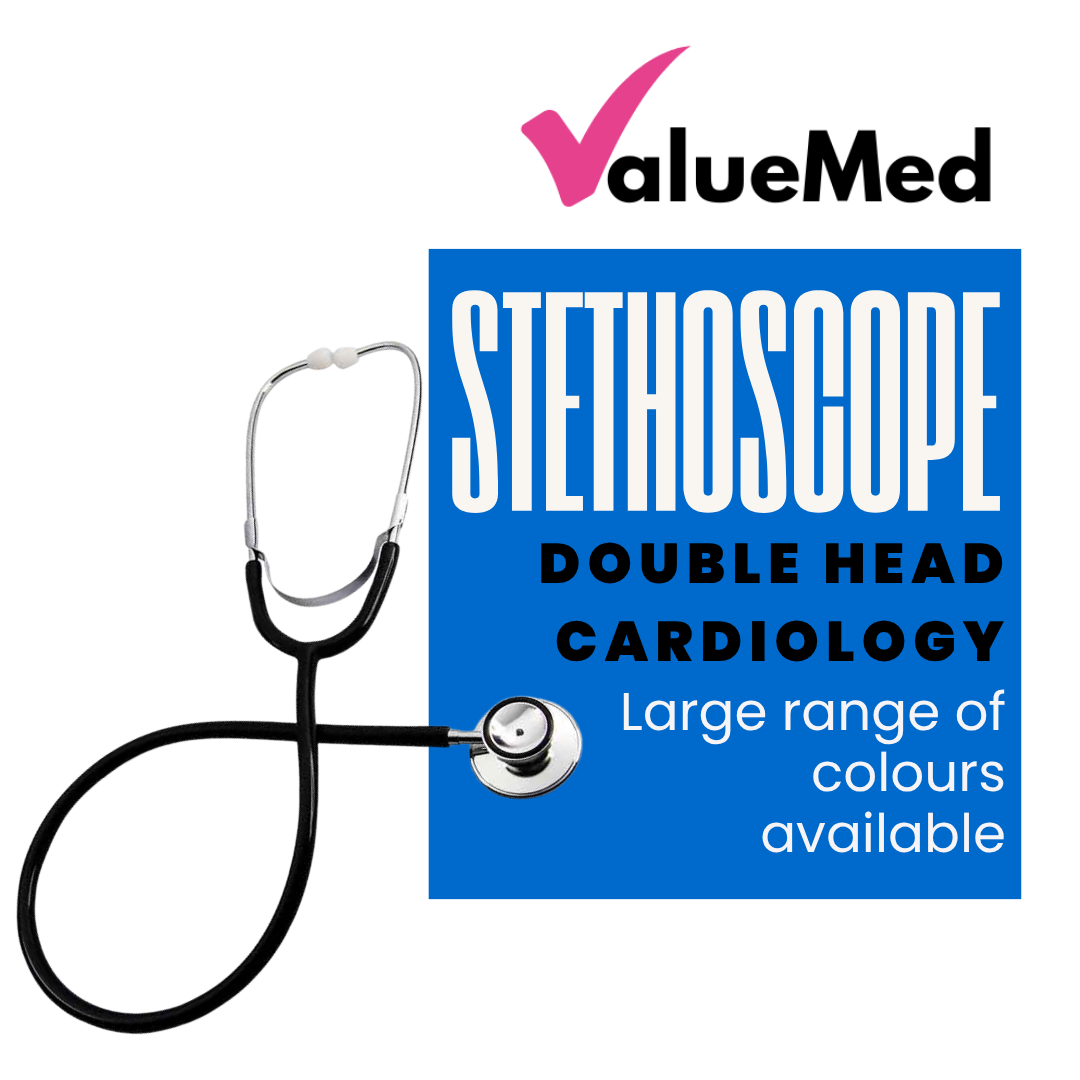
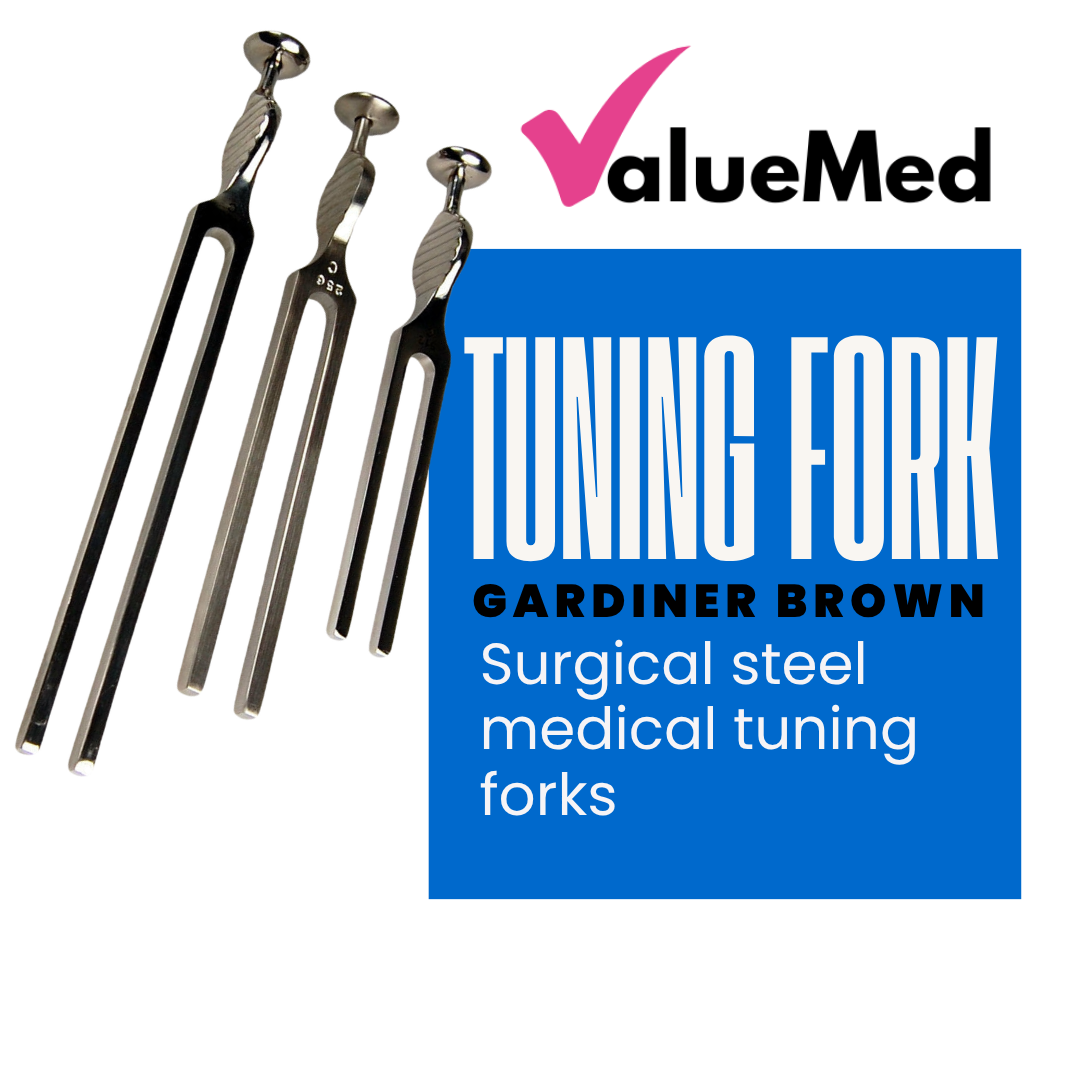
Starting medical, nursing or paramedic training means building your own kit, and the cost adds up quickly. A good starter set usually includes a stethoscope, a pen torch, a tuning fork and a reflex hammer. Later on you may want an otoscope and your own sphygmomanometer.
My honest advice is that you don't need the most expensive stethoscope on day one. A reliable dual-head stethoscope will see you through your early placements, and you can upgrade to a cardiology stethoscope once you know which speciality you're heading for.
Our student starter kits bundle the essentials together, and NHS and student discounts are applied automatically once you sign up with a verified NHS or university email address.
Buying for clinics, pharmacies, schools and workplaces
If you're buying for an organisation, unit price, reliable stock and sensible payment terms matter just as much as the products themselves. A specialist supplier with a proper trade service will save you a great deal of time.
At Valuemed we accept official purchase orders on 30-day credit terms from NHS trusts, GP surgeries, clinics, occupational health companies, schools, councils and a range of other organisations. You can email our trade team at trade@adtuk.co.uk. We also have a dedicated range of pharmacy supplies.
Popular trade lines include:
- Wholesale medical supplies and bulk packs
- PPE, including disposable face masks and vinyl gloves
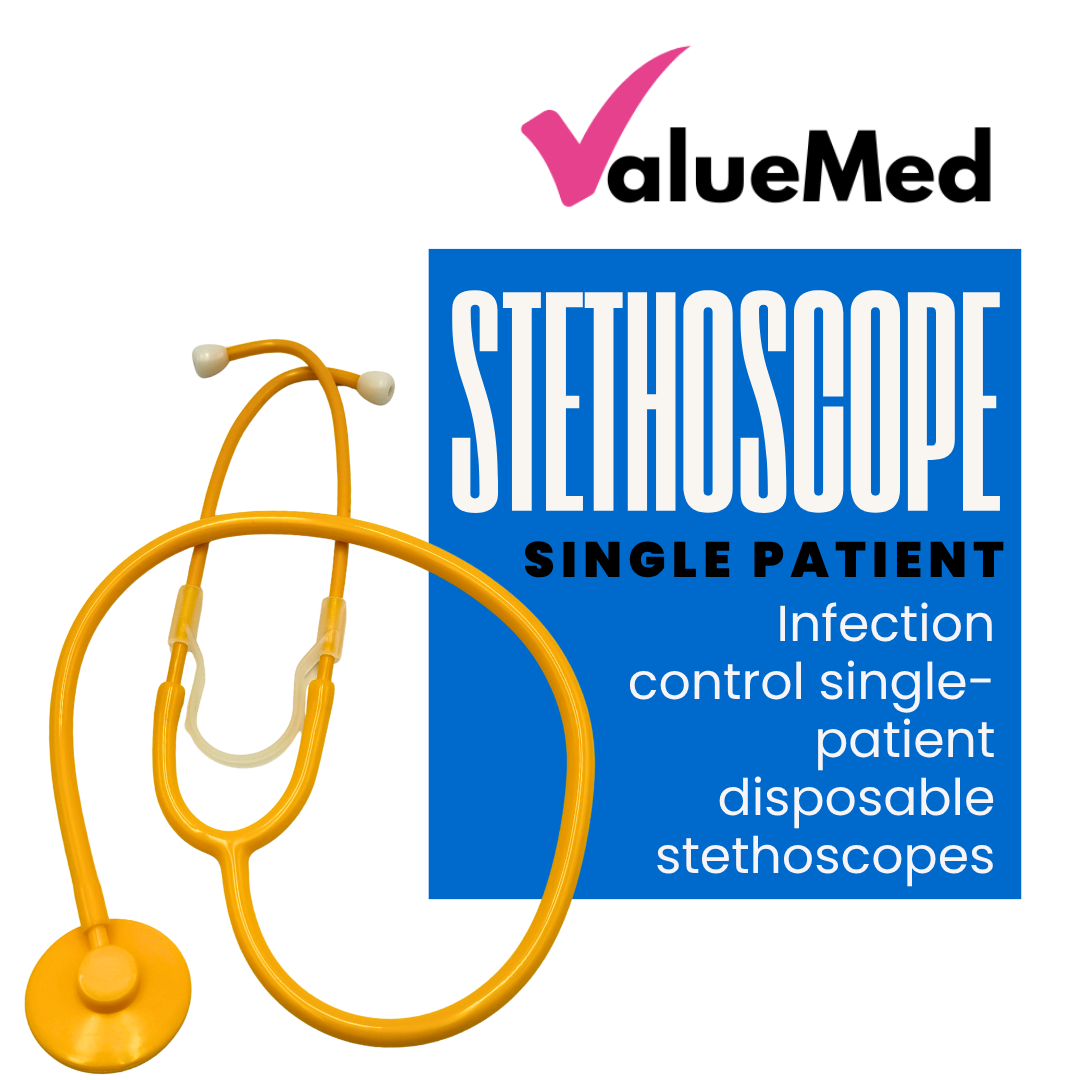
- Single-patient disposable stethoscopes for infection control
- Occupational health supplies and workplace drug testing
- Professional rapid diagnostic test kits, which are intended for use by trained healthcare professionals only
Why buy your medical supplies from Valuemed?
I'm obviously biased here, so I'll stick to the facts. Valuemed was founded by UK doctors and is still run by doctors today. We've been supplying medical equipment and test kits since 1998, and every product in our range is checked and approved by our doctors before it goes on sale.
- Same-day dispatch Monday to Friday on orders placed before 3pm
- Free first class Royal Mail delivery on UK orders over £50, and free courier delivery over £250
- Fast, discreet delivery across the UK
- A price match guarantee
- Automatic loyalty discounts of up to 10% for returning customers
- Subscribe and save for up to 15% off your regular repeat orders
- NHS and student discounts applied automatically
- A UK team you can actually speak to on 01263 731 168

Frequently asked questions
Can anyone buy medical equipment in the UK?
Most everyday equipment, including stethoscopes, thermometers, blood pressure monitors and self-test kits, can be bought by anyone. Some diagnostic tests are sold for professional use only and are intended for trained staff in a clinical setting.
Is it safe to buy medical supplies online?
Yes, as long as you buy from a reputable UK supplier. Look for clear contact details, a UK address, proper product information and a UKCA or CE mark on the device itself.
Do I need a prescription to buy medical equipment?
Not for most equipment or self-test kits. Prescriptions are needed for prescription-only medicines, not for everyday items like blood pressure monitors or thermometers.
How do I know my blood pressure monitor is accurate?
Choose a validated model and use the correct cuff size. Sit quietly for five minutes before measuring, with your arm supported at heart level. Comparing a reading with one taken at your GP surgery or pharmacy is a simple extra check.
Can I buy medical equipment without paying VAT?
If you're chronically sick or disabled, you may not have to pay VAT on equipment designed solely for disabled people when it's for your own personal use. General items that anyone might use, such as a standard thermometer, don't qualify. GOV.UK explains who is eligible.
What should I do if a medical device seems faulty?
Stop using it, contact the supplier and keep the packaging. You can also report problems with medical devices to the MHRA through the Yellow Card scheme, which helps the regulator spot safety issues early.
Final thoughts
The best place to buy medical equipment is one that sells genuine, properly marked products, stores them well and is still there to help after you've bought them. Price matters, of course, but a cheap device that gives you the wrong answer isn't really a saving.
Whether you're kitting out a clinic, starting your training or just want to keep a closer eye on your health at home, take a minute to check the marking, the expiry date and the seller. If you'd like a hand choosing, our team is always happy to help.
Medical Disclaimer
This article is for general information only and is not a substitute for professional medical advice, diagnosis or treatment. Always follow the manufacturer's instructions for any device or test kit, and speak to your GP, pharmacist or another qualified healthcare professional if you have concerns about your health or need help choosing the right equipment.
Some medical equipment and supplies are available free of charge through the NHS where there is a clinical need, for example on prescription or through community health services. It's worth asking your GP, practice nurse or pharmacist whether this applies to you before you buy.
Professional-use test kits are intended for trained healthcare professionals only. If a home test gives a positive or unexpected result, or doesn't match how you feel, speak to a healthcare professional. If you feel seriously unwell, call 999 or contact NHS 111.