

Author : Dr Kate Garside
Over the past few years, GLP‑1 medications have moved from a specialised diabetes treatment to one of the most talked‑about tools for weight management and metabolic health. Understanding how they work — and who is using them — helps people make informed decisions about their health.
What Is GLP‑1?
GLP‑1 stands for glucagon‑like peptide‑1, a hormone naturally produced in the gut in response to food. In healthy bodies, GLP‑1 helps regulate blood sugar by:
- Stimulating insulin release when blood glucose rises
- Suppressing glucagon — a hormone that raises blood glucose
- Slowing gastric emptying, which reduces the speed at which food leaves the stomach
- Increasing feelings of fullness (satiety) after eating
GLP‑1 medications — also called GLP‑1 receptor agonists — mimic these effects, giving the body longer‑acting appetite control and improved blood sugar regulation than it can naturally produce.
How does a GLP-1 benefit people with diabetes and obesity
GLP-1 treatment was originally developed to help manage type 2 diabetes, GLP‑1 receptor agonists improve blood sugar control by boosting insulin responses and reducing glucagon when glucose levels rise after meals. This can lead to better glycaemic stability and, frequently, weight loss.
Because they slow the emptying of food from the stomach and reduce appetite, many people also find that they naturally eat less, which supports weight loss — even though these drugs aren’t directly “fat‑burning” medications.
Some newer therapies (like tirzepatide, brand name Mounjaro) act on both GLP‑1 and a second hormone (GIP), further enhancing blood sugar effects and appetite regulation.
What the numbers say — UK and USA (2025–2026)
Here’s how prevalent GLP‑1 medication use has become:
🇬🇧 United Kingdom
- In early 2025, approximately 2.9 % of adults in Great Britain reported using a GLP‑1 or dual GLP‑1/GIP medication for weight loss in the past year — roughly 1.6 million adults.
- When including all use or interest in use, nearly 4.9 million British adults — almost one in ten — had either recently used these medications or were considering doing so.
- Independent reports suggest around 1.5 million people in the UK are currently using GLP‑1 medicines, with most accessing them privately.
🇺🇸 United States
- A 2025 national poll found that about 18 % of U.S. adults say they have taken a GLP‑1 drug at some point (for diabetes, weight loss, or another condition), and around 12 % are currently using one.
- Among adults with diagnosed diabetes, estimates suggest over 25 % used a GLP‑1 drug in the past year.
- GLP‑1 use is particularly high in middle‑aged adults: about 33 % of adults ages 50‑64 with diabetes have used one of these injectables.
These figures paint a picture of rapid uptake in both countries as awareness and approval expand. However, access and prescribing criteria — especially on the NHS — vary significantly, meaning private prescriptions still account for many users in the UK.
How do GLP‑1 medications produce weight loss?
It is believed that GLP‑1 medications influence the body in several complementary ways:
1. Reduced appetite
By acting on receptors in the brain and gut, GLP‑1 agonists increase feelings of fullness and reduce hunger pangs.
2. Slower gastric emptying
Food stays in the stomach longer, which helps reduce the speed at which blood sugar rises and prolongs satiety.
3. Improved blood sugar control
Enhanced insulin release and reduced glucagon help stabilise glucose levels after meals — particularly valuable for people with type 2 diabetes.
Taken together, these effects can shift both hunger signals and calorie intake, supporting gradual, clinically meaningful weight loss.
A balanced perspective
GLP‑1 medications represent a major advance in metabolic medicine — especially for people with diabetes or clinically identified obesity. However, they are not a quick fix and work best when combined with supportive lifestyle changes such as diet quality and activity.
Furthermore, usage trends show that these drugs are becoming more common in both the UK and the US, but access, cost, and eligibility still vary widely.
GLP‑1 medications aren’t just about weight loss — they actually influence several metabolic pathways, which can lead to improvements in a number of health conditions.
Here’s a clear breakdown:
1. Type 2 Diabetes
- Primary use: GLP‑1 receptor agonists were originally developed for type 2 diabetes.
- Mechanism: Increase insulin release when glucose rises, reduce glucagon secretion, and improve blood sugar control.
- Impact: Lower fasting glucose, lower HbA1c, and reduced glycaemic variability.
2. Obesity and Weight Management
- Mechanism: Slow gastric emptying, reduce appetite, increase satiety.
- Impact: Clinically significant weight loss, reduced waist circumference, and lower visceral fat.
- Secondary benefits: Weight loss improves many metabolic and cardiovascular markers.
3. Cardiovascular Risk Factors
- Mechanism: Improve blood sugar, modestly lower blood pressure, reduce inflammation, and favourably influence lipid metabolism.
- Impact: Large clinical trials show reductions in major adverse cardiovascular events (heart attack, stroke) in people with type 2 diabetes.
4. Cholesterol and Lipids
- LDL (“bad” cholesterol): Modest reductions, likely due to weight loss and improved insulin sensitivity.
- HDL (“good” cholesterol): Slight increases, supporting cardiovascular health.
- Triglycerides: Often reduced through improved post-meal glucose and insulin responses.
- Overall: Combined effects of weight loss, lipid improvements, and reduced inflammation help lower cardiovascular risk, even if LDL changes are modest.
5. Fatty Liver Disease / Non-Alcoholic Steatohepatitis (NASH)
- Mechanism: Weight loss and improved insulin sensitivity reduce liver fat accumulation.
- Impact: Improvements in liver enzymes and imaging markers of liver fat.
6. Metabolic Syndrome
- Components affected: Insulin resistance, abdominal obesity, high triglycerides, hypertension.
- Impact: GLP‑1 therapy reduces the overall risk profile by improving multiple metabolic markers.
7. Polycystic Ovary Syndrome (PCOS)
- Mechanism: Improve insulin resistance and reduce weight.
- Impact: May restore ovulation, reduce androgen levels, and improve menstrual regularity.
8. Pre-Diabetes
- Mechanism: Stabilise blood glucose and promote modest weight loss.
- Impact: Reduce progression from pre-diabetes to type 2 diabetes.
Key Point: GLP‑1 medications primarily target metabolic health, so conditions linked to obesity, insulin resistance, blood sugar dysregulation, and lipid imbalance tend to improve. Secondary benefits often come from weight loss and improved glucose control, rather than direct action on the condition.
In summary
- GLP‑1 medications mimic a natural hormone that controls appetite and blood glucose.
- They are used for diabetes and, increasingly, for weight management.
- In the UK, around 1.6 million adults reported use for weight loss and nearly 5 million adults are users or interested.
- In the US, 12–18 % of adults say they have used GLP‑1s, and more than a quarter of adults with diagnosed diabetes have used them.
- These drugs help with appetite regulation, satiety, and insulin response — but they’re most effective when paired with healthy lifestyle support.
Take control of your health with regular monitoring
While GLP-1 medications can help with appetite control, weight loss, and blood sugar regulation, keeping track of your key health markers ensures you stay on top of your overall metabolic health.
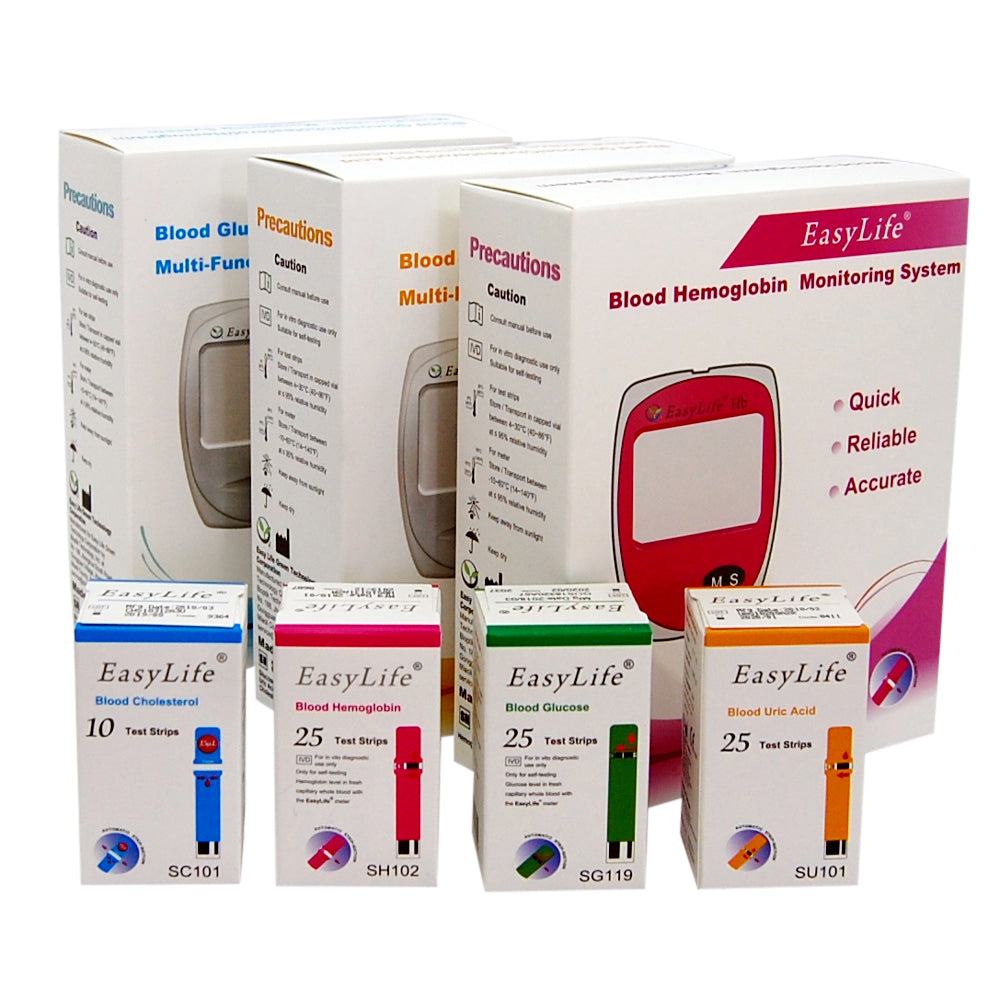
Regular monitoring of blood glucose, cholesterol, triglycerides, uric acid, and blood pressure helps you understand how your body is responding — both to medication and lifestyle changes — and allows you to make informed decisions with your healthcare provider.
You can easily monitor these markers at home with Valuemed’s trusted products:
- Check your glucose with our Blood Glucose Meters & Strips
- Monitor cholesterol and triglycerides with our Cholesterol Test Kits
- Track uric acid levels for gout risk with our Uric Acid Tests
- Keep blood pressure in check with our Blood Pressure Monitors
Take proactive steps today — track your vital markers from the comfort of home and stay in control of your health journey.
This blog post about GLP-1 medications is intended for educational purposes and does not replace medical advice. Always consult a qualified healthcare professional before making decisions about medications or treatments.
GLP-1 references and sources for this blog post and further reading
https://www.diabetes.org.uk/about-diabetes/looking-after-diabetes/treatments/tablets-and-medication/glp-1
https://www.ucl.ac.uk/news/2026/jan/16-million-uk-adults-used-weight-loss-drugs-past-year
https://www.news-medical.net/news/20260108/Study-highlights-prevalence-of-GLP-1GIP-medication-use-for-weight-loss-in-UK
https://www.nesta.org.uk/data-visualisation-and-interactive/silver-bullet-or-sticking-plaster-weight-loss-drugs-and-the-uks-obesity-crisis
https://www.kff.org/public-opinion/poll-1-in-8-adults-say-they-are-currently-taking-a-glp-1-drug-for-weight-loss-diabetes-or-another-condition-even-as-half-say-the-drugs-are-difficult-to-afford
https://www.reuters.com/business/healthcare-pharmaceuticals/one-four-us-adults-with-diabetes-used-glp-1-drug-last-year-survey-finds-2025-08-14
https://www.nesta.org.uk/data-visualisation-and-interactive/silver-bullet-or-sticking-plaster-weight-loss-drugs-and-the-uks-obesity-crisis
https://www.diabetes.org.uk/about-diabetes/looking-after-diabetes/treatments/tablets-and-medication/glp-1
https://www.mckinsey.com/featured-insights/mckinsey-explainers/what-are-glp-1-medications
https://www.gov.uk/government/news/mhra-reminds-healthcare-professionals-to-advise-patients-of-the-side-effects-of-glp-1-agonists-and-to-report-misuse
https://www.ucl.ac.uk/news/2026/jan/16-million-uk-adults-used-weight-loss-drugs-past-year