


Author Dr Kate Garside
Cold, Flu Or COVID? How To Tell The Difference This November

If you have started sniffling this week, you are in good company. In its latest weekly bulletin, the UK Health Security Agency (UKHSA) said rhinovirus, the common cold, is the most widely circulating respiratory virus right now. Flu and COVID-19 are both at low levels, but UKHSA has warned that flu cases usually start to rise during November.
That makes this a good moment to learn the differences. The symptoms overlap, so it is not always possible to tell them apart by how you feel. Knowing what to look for, and when a test or a call to NHS 111 makes sense, helps you protect the people around you. You can browse our full range of home test kits here.
What the latest UK figures show
The UKHSA bulletin published on 29 October covers the week of 19 to 25 October 2026:
- Flu: stable at low levels, with 6.6% of laboratory tests positive and 2.47 hospital admissions per 100,000 people.
- COVID-19: decreasing at low levels, with 8.3% of tests positive and 2.76 hospital admissions per 100,000 people.
- RSV: starting to increase but still very low, with 1.5% of tests positive and 0.52 hospital admissions per 100,000 people.
More than 10 million flu vaccinations had been given by late October. If you are eligible, UKHSA advises booking your vaccine now, before flu circulates more widely.
Cold, flu and COVID symptoms compared
| What to look at | Common cold | Flu | COVID-19 |
| How it starts | Gradually, over 2 to 3 days | Suddenly, within hours | Varies from person to person |
| Main symptoms | Blocked or runny nose, sneezing, sore throat, hoarse voice, cough | Sudden high temperature, aching body, exhaustion, dry cough, headache | High temperature, new continuous cough, shortness of breath, tiredness, aches |
| Smell and taste | Can be affected | Not a typical feature | Loss or change can happen |
| Can you carry on? | Usually, yes | Usually too unwell for normal activities | Depends how unwell you feel |
| How to check | No home test needed | Nasal swab test | Nasal swab test |
COVID & Flu Home Test
One nasal swab for COVID, influenza A and B, with results in as little as 15 minutes.
From £4.99

Strep A Home Test
A two-test throat swab pack for a sore throat that may be more than a cold.
From £9.99
When a home test can help
A cold does not need a test. A home test is most useful when you want to check for flu or COVID, particularly if you are about to visit someone who is older, pregnant or has a weakened immune system.
Our 3-in-1 COVID and Influenza A/B test uses one nasal swab and gives separate results. Remember that it does not test for colds or RSV, and that a negative result does not completely rule out infection. If you feel unwell, it is still sensible to stay away from people at higher risk.
Looking after yourself at home
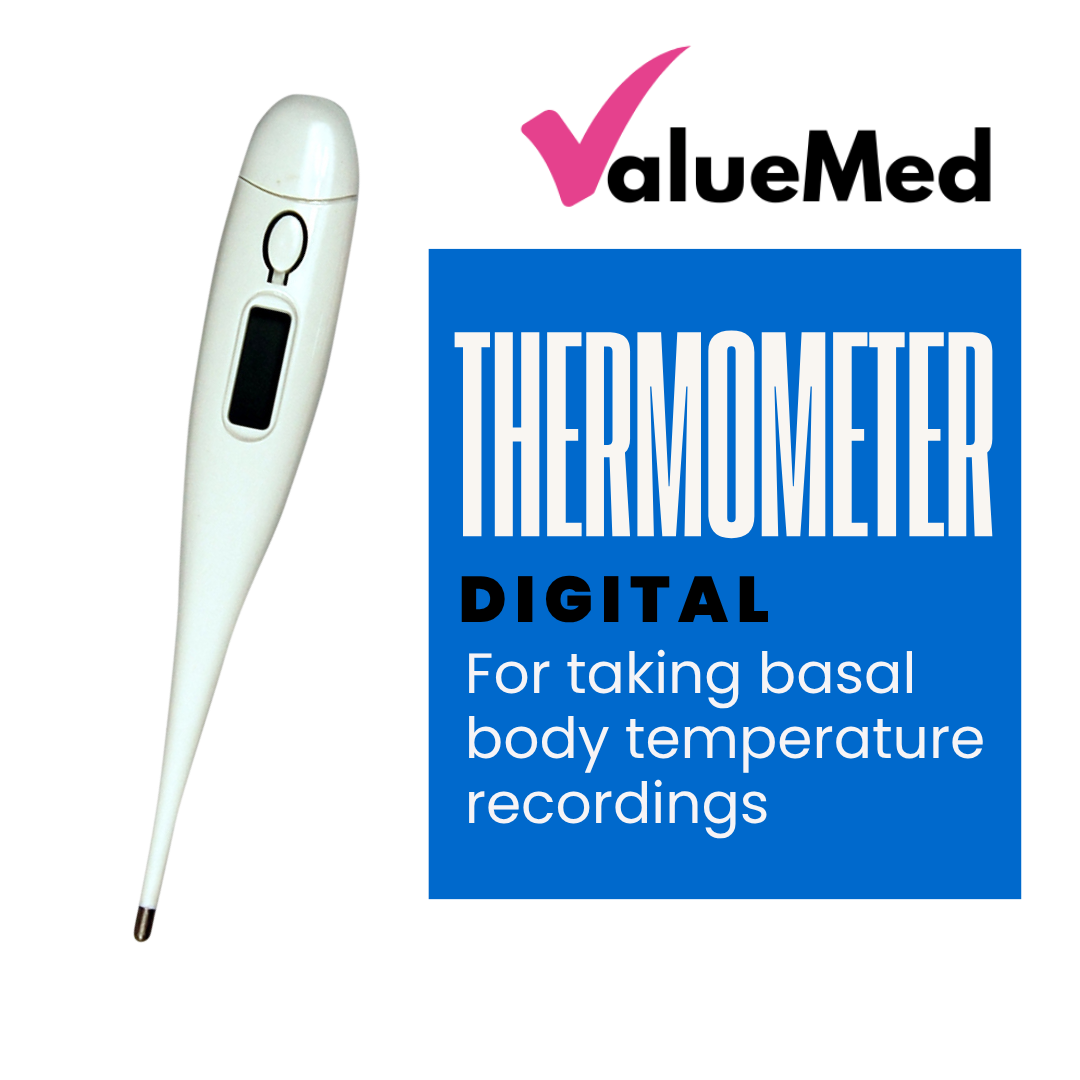
Most colds and many cases of flu get better on their own. The NHS recommends rest, plenty of fluids and paracetamol or ibuprofen to bring down a temperature and ease aches. Antibiotics do not work for flu or colds, because they are caused by viruses.
A few cautions are worth knowing. Do not take paracetamol alongside a flu remedy that already contains it, and do not give aspirin to children under 16. Most people feel better from a cold within about one to two weeks, although you remain contagious until your symptoms have cleared.
Stopping it from spreading

NHS advice is to stay at home and avoid other people if you have symptoms and either have a high temperature or feel too unwell for your usual activities. You can return once you feel better or your temperature has gone.
If a COVID test is positive, the NHS advises staying at home for 5 days if you are 18 or over and 3 days if you are under 18, and avoiding people at higher risk of serious illness for 10 days.
When to get medical help
Ask for an urgent GP appointment or contact NHS 111 if:
- You are worried about a baby's or child's symptoms
- You are aged 65 or over, pregnant or have recently given birth
- You have a long-term condition or a weakened immune system
- You feel very unwell or short of breath
- Your flu symptoms have not improved after 7 days
- A high temperature lasts 5 days or more, or does not come down with paracetamol
Call 999 or go to A&E if:
- You have sudden chest pain
- You have severe difficulty breathing
- You are coughing up blood
- You collapse or faint
- You have a rash that does not fade under pressure from a glass
Getting ready for winter
Flu can be unpredictable, so a little preparation goes a long way. If you are eligible, get your vaccine booked, keep a digital thermometer and pain relief in the cupboard, and keep washing your hands. If you would like to have tests at home for the months ahead, you can find them in our at home tests collection.
Medical Disclaimer
This article is written for general educational purposes and is not intended to replace professional medical advice, diagnosis or treatment. Figures were correct at the time of writing and can change from week to week.
Home test kits, including COVID & Flu and Strep A tests, provide an indicative result only. A negative result does not completely rule out infection, and a positive result should be discussed with a healthcare professional where appropriate.
Free NHS vaccination and testing may be available for certain people and conditions through your GP or local pharmacy. Ask your healthcare provider for current guidance.