


Author Dr Kate Garside
Where Can I Get COVID Test Kits? Buying COVID and Antibody Tests in the UK

Free COVID testing ended for most people in England back in April 2022, so if you wake up with a raw throat and a temperature, you'll usually need to buy a test yourself. Thankfully, COVID-19 home tests are easy to get hold of. You can pick up a rapid lateral flow test online, at a high street pharmacy or in most big supermarkets, and some kits now check for flu at the same time.
COVID antibody tests are a different matter, and plenty of people who search for one actually need a different test altogether. Below, I'll explain what each type of test does, where to buy it in the UK, and how to make sense of your result. If you're stocking up before winter, you can browse all of our home test kits in one place.
Where can I get COVID test kits in the UK?
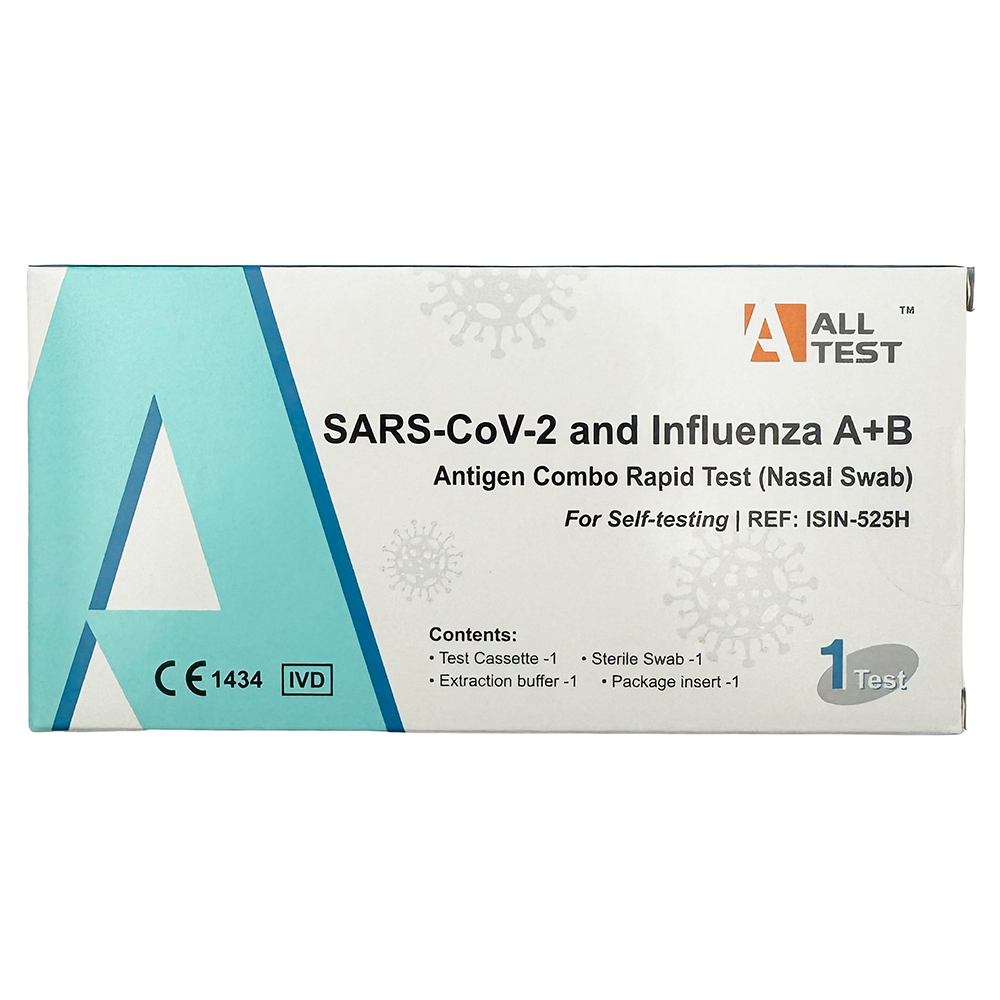
You can buy COVID test kits online, from pharmacies and from supermarkets across the UK. For most people, the right choice is a rapid lateral flow test, sometimes called a rapid antigen test. You swab the inside of your nose at home, add the sample to a small test cassette, and read the result in around 15 minutes.
Before you buy, it's worth checking a few things on the box:
- It says it's for self-testing. Tests labelled "for professional use" are designed to be carried out by trained staff in a clinic, not at the kitchen table.
- It carries a UKCA or CE mark and is registered with the MHRA, the UK's medical device regulator.
- It's in date. The reagents in the test strip break down over time, so an expired test can give an unreliable result.
- It tests for what you need. Some kits look for COVID-19 only, while combined tests also check for influenza A and B.
- The pack size suits you. A single test is fine for a one-off, but households, workplaces and care settings often find multipacks better value.
Which type of COVID test do you need?
There are three main types of COVID test, and they answer very different questions. Lateral flow and PCR tests look for the virus itself, so they tell you whether you're infected now. Antibody tests look for your immune system's response, so they can only tell you about a past infection or vaccination.
| Test type | What it detects | Sample | What it tells you | Where to get one |
|---|---|---|---|---|
| Lateral flow (rapid antigen) self-test | Proteins from the virus | Nose swab (some kits use nose and throat) | Whether you're likely to be infected right now | Online, pharmacies and supermarkets |
| Combined COVID & flu self-test | COVID-19, influenza A and influenza B proteins | Nose swab | Which of the three viruses, if any, is behind your symptoms | Specialist online suppliers and some pharmacies |
| PCR test | The virus's genetic material (RNA) | Nose and throat swab, analysed in a laboratory | Whether you're infected, with higher sensitivity than a lateral flow test | Hospitals and some private clinics |
| Antibody (serology) test | IgG antibodies made by your immune system | Blood, from a finger-prick or a vein | Whether you've had COVID or a COVID vaccine in the past | Private clinics and laboratories, plus professional rapid tests for healthcare settings |
3-in-1 COVID & Flu Home Test Kit
One gentle nasal swab, separate results for COVID-19, flu A and flu B in around 15 minutes.
View Test Kit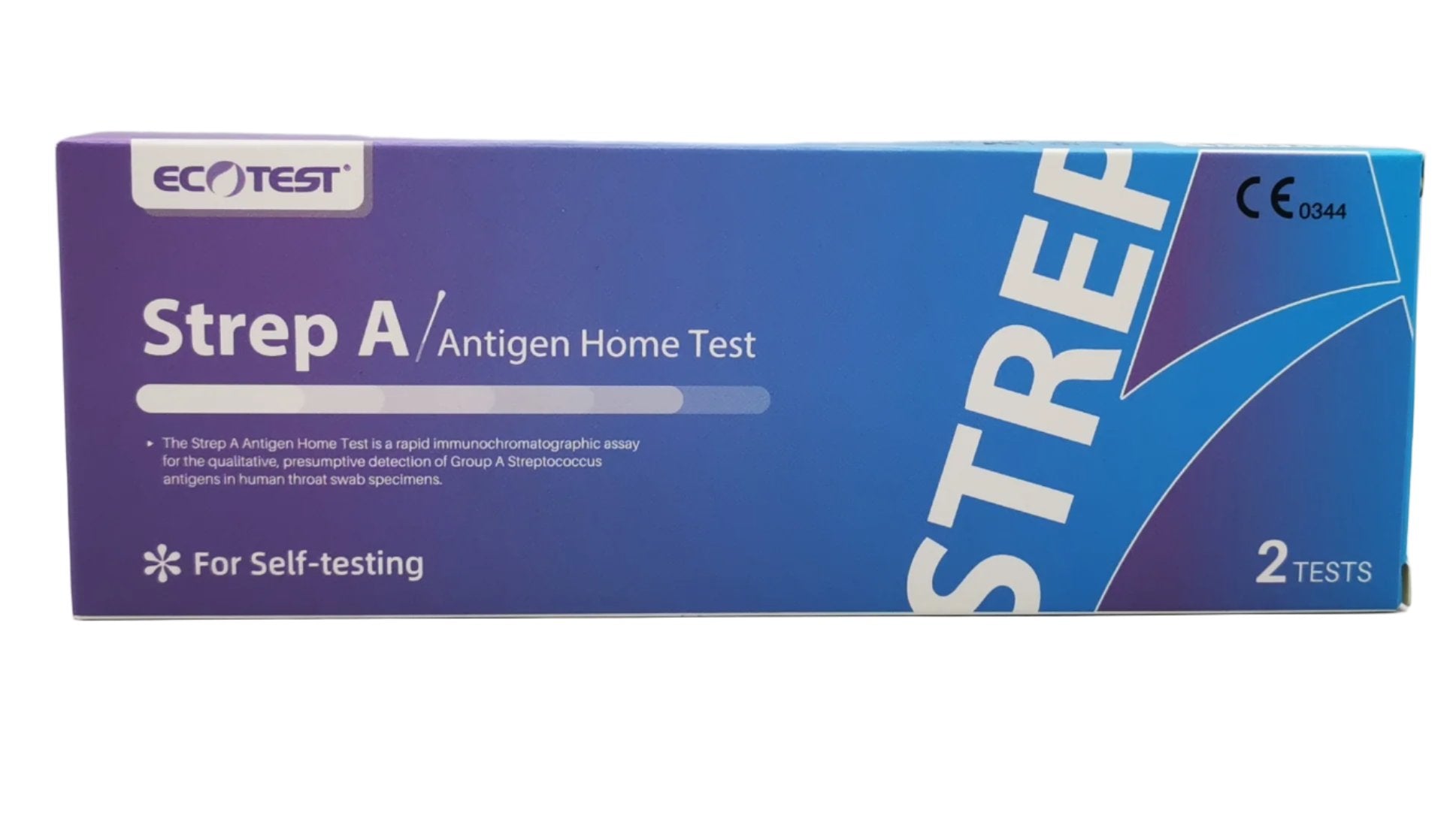
Strep A Home Test Kit (2 Tests)
A throat swab self-test for strep A, the bacteria behind many severe sore throats.
View Test Kit
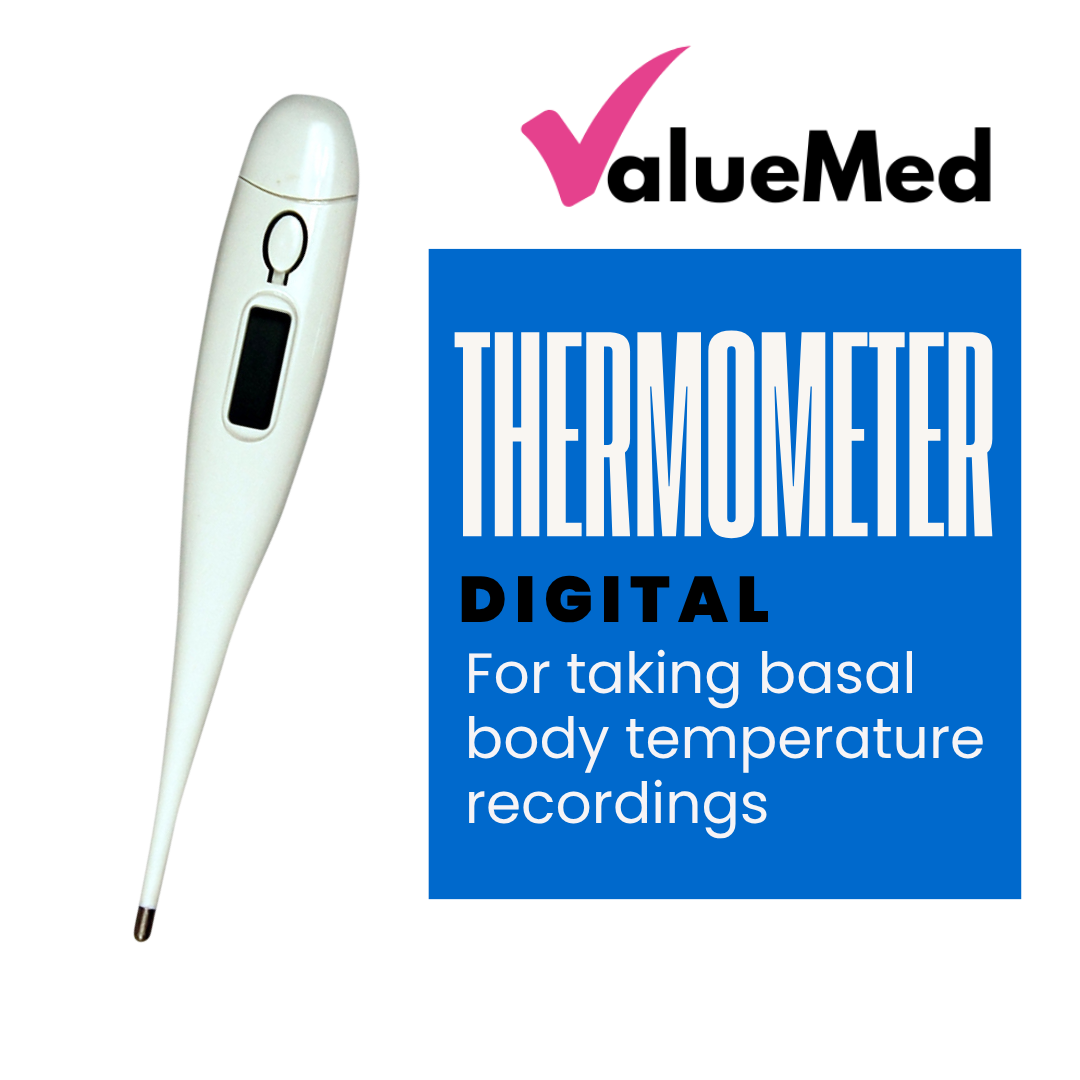
Quick digital readings, so you know whether that "hot" feeling really is a temperature.
View ThermometerWhere to buy a COVID test: pharmacy, supermarket or online?
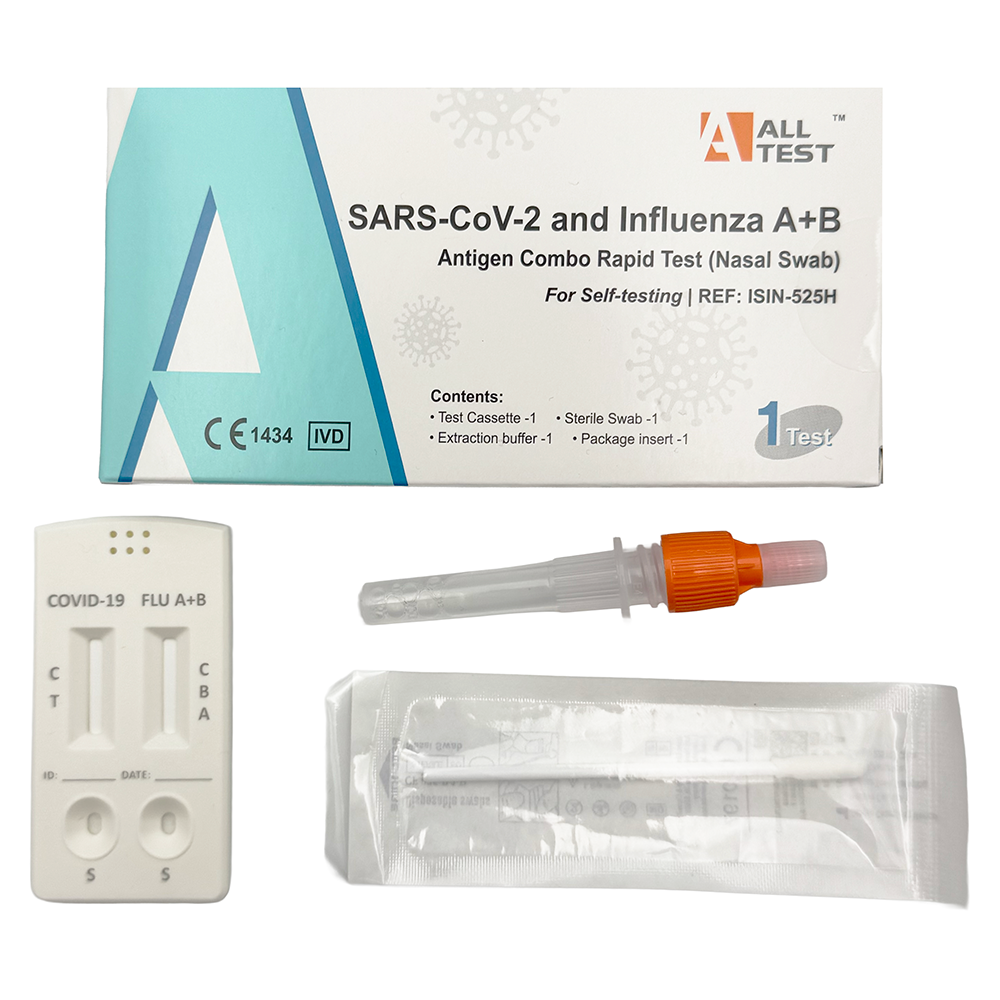
Each option has its pros and cons, and the best one depends on how quickly you need a test and what you want it to check for.
- High street pharmacies are handy when you need a test today, and you can ask the pharmacist for advice while you're there. Prices per test tend to be higher, and the choice is usually limited to one or two brands.
- Supermarkets often sell single COVID tests cheaply, which is fine for a one-off. Combined COVID and flu tests are harder to find on the shelf.
- Specialist online suppliers usually have the widest choice, including combined tests and multipacks. Buying online also means you can keep a few tests at home before you need them, rather than dragging yourself to the shops when you feel rotten and potentially passing your infection on.
Wherever you buy, stick to sellers you can trust. A reputable supplier will tell you exactly which test you're getting, show its regulatory marking and send stock with plenty of shelf life left. I've written more about the checks worth making in our guide to where to purchase medical equipment and supplies.
If you're buying for a school, care setting or workplace, our COVID & flu home test kits also come in multipacks, and our trade team can help with larger orders through a wholesale enquiry.
COVID, flu or a cold? Why a combined test is useful
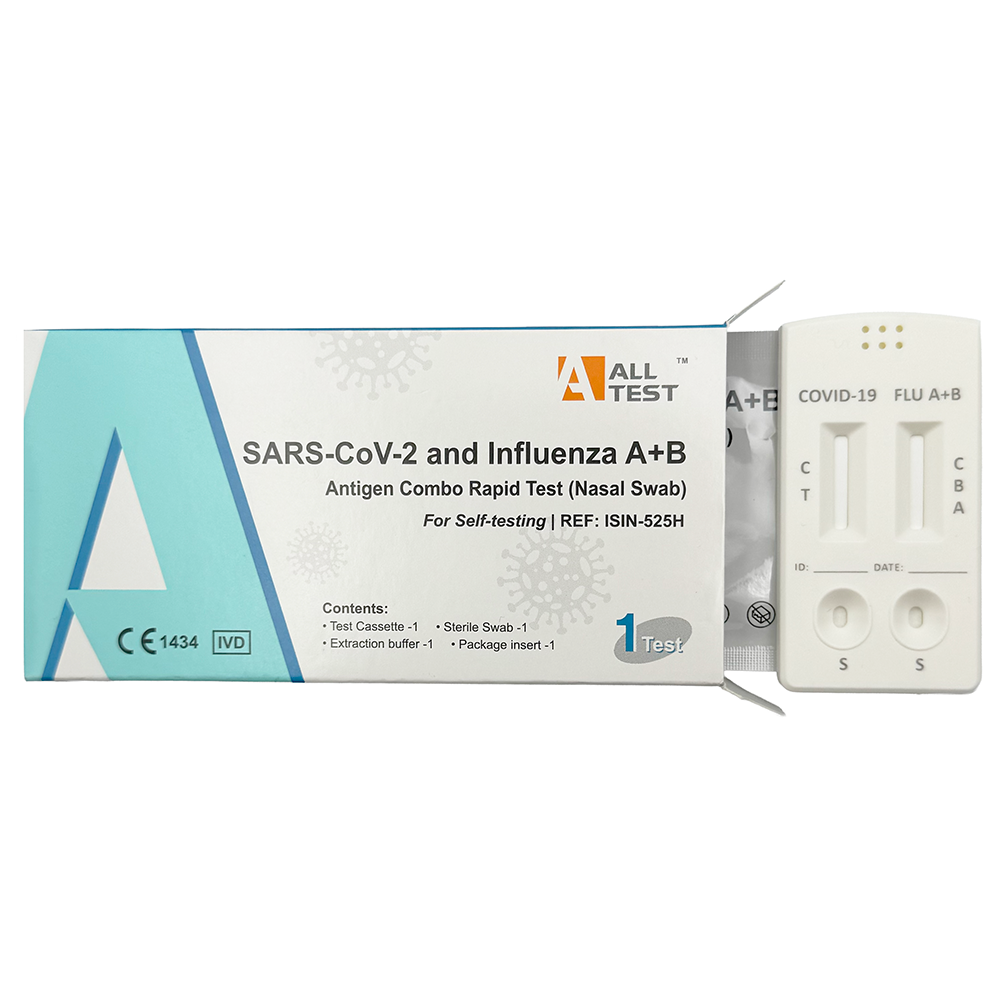
By late autumn, COVID-19, flu and the usual winter colds are all doing the rounds at once, and the symptoms overlap so much that it's genuinely hard to tell them apart. A combined test gives you separate result lines for COVID-19, influenza A and influenza B from a single nose swab.
That matters more than you might think. If you're in a higher-risk group, antiviral treatment for flu works best when it's started within 48 hours of your symptoms beginning, so finding out early gives you time to get the right advice from your GP, pharmacist or NHS 111. A very sore throat without a cough, on the other hand, can point towards a bacterial strep A throat infection, which needs a different test altogether.
| Symptom | COVID-19 | Flu | Common cold | Strep A throat infection |
|---|---|---|---|---|
| How it starts | Gradual or sudden | Usually sudden | Gradual | Usually sudden |
| High temperature | Common | Very common | Rare | Common |
| Cough | Common | Common | Sometimes, usually mild | Usually absent |
| Sore throat | Common | Sometimes | Common | Very common, often severe |
| Loss or change to smell or taste | Possible | Uncommon | Uncommon, mainly from a blocked nose | Rare |
| Aches and exhaustion | Common | Very common, often severe | Mild | Sometimes |
| Runny or blocked nose | Common | Sometimes | Very common | Rare |
These are typical patterns rather than hard rules, which is exactly why testing is more reliable than guessing.
When should you take a COVID test?
Lateral flow tests work best when there's plenty of virus in your nose, which is usually during the first few days of symptoms. If you feel unwell, test as soon as you can.
Common symptoms of COVID-19 include:
- a high temperature (38°C or above) or shivering
- a new, continuous cough
- a loss or change to your sense of smell or taste
- shortness of breath
- feeling tired or exhausted
- an aching body or a headache
- a sore throat
- a blocked or runny nose
- loss of appetite, diarrhoea, or feeling or being sick
A digital thermometer is worth keeping in the medicine cabinet next to your tests, as it takes the guesswork out of whether you really have a temperature.
If your first test is negative but you still feel unwell, test again over the next day or two. A single negative result early in an illness doesn't completely rule COVID out. Testing before you visit someone who is frail or has a weakened immune system is sensible too, although tests are less reliable when you have no symptoms at all.
How to get an accurate result from a lateral flow test for Covid.
Most "wrong" results come down to how the test was done rather than the test itself. A few simple habits make a big difference:
- Read the instructions first. Kits differ. Some use a nose swab only, others a nose and throat swab, and the number of drops matters.
- Check the test before you start. Make sure it's in date and the foil pouch is sealed. If the kit has been somewhere cold, let it come up to room temperature first.
- Wash your hands and gently blow your nose into a tissue before you swab.
- Swab properly. Rotate the swab inside each nostril exactly as described. A timid swab is one of the commonest reasons for a false negative.
- Time it. Read the result at the time stated in the instructions and don't leave it longer than the maximum time given, as lines can appear or change.
- Treat any line as a line. If a test line appears within the reading time, even a very faint one, count the result as positive.
- No control line means a void test. Do another test with a new kit as soon as you can.
What to do if your COVID test is positive

Current NHS advice is to try to stay at home and avoid meeting people for 5 days after the day you took the test if you're 18 or over, or 3 days if you're under 18. Try to wait 10 days before meeting anyone who is more likely to become seriously ill, such as someone with a weakened immune system.
Most people can look after themselves at home. Rest, drink plenty of fluids, and take paracetamol or ibuprofen if you need them for aches or a temperature.
If you have a health condition that makes you eligible for COVID-19 treatments, contact your GP surgery, NHS 111 or your hospital specialist as soon as you get a positive result. These treatments need to be started quickly to work well.
Call 999 or go to A&E if you:
- are so breathless you can't speak in full sentences, or your breathing suddenly gets worse
- have lips, a tongue or skin that look blue or grey (on brown or black skin this can be easier to see on the lips, gums or palms)
- collapse or faint
- become confused or very drowsy
- are coughing up blood
Contact your GP or NHS 111 if you're getting worse, your symptoms aren't improving, or you still have symptoms after 4 weeks.
Can I buy a COVID antibody test in the UK?
Yes, but probably not in the way you'd expect, and it's worth asking whether you need one at all.
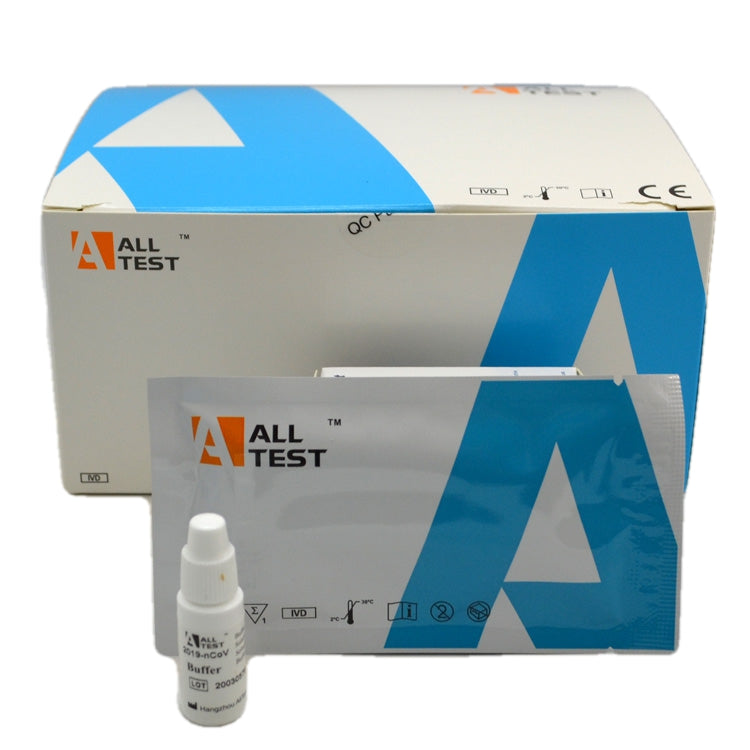
The most important point first: an antibody test can't tell you whether you have COVID right now. Your body takes around one to three weeks after an infection to produce measurable antibodies. If you're feeling ill today, you need a lateral flow test, not an antibody test. It's a really common mix-up, partly because some antibody tests come in the same small plastic cassette as a lateral flow test.
What an antibody test can tell you
- Whether your immune system has met the virus, or a COVID vaccine, at some point.
- Depending on the test, whether those antibodies came from an infection. The COVID vaccines used in the UK train your body to make antibodies against the spike protein only, so antibodies against a different part of the virus, the nucleocapsid protein, point to a past infection.
What it can't tell you
- Whether you're infected right now.
- Whether you're protected. There's no agreed antibody level that guarantees immunity, and antibody levels naturally fall over time while other parts of your immune system carry on working.
- Whether you need another vaccine. Vaccine eligibility in the UK is based on age and health, not antibody results.
It's also worth knowing that the vast majority of adults in the UK now have some COVID antibodies from vaccination, infection or both, so a positive result on its own tells most people very little.
Where to buy an antibody test for COVID-19
For individuals, COVID antibody testing in the UK is mainly offered by private clinics and laboratories. Usually you collect a finger-prick blood sample at home and post it back for analysis, or have blood taken at a clinic. If you go down this route, check that:
- the laboratory is UKAS accredited (ISO 15189 is the standard for medical laboratories)
- the test says which antibodies it measures (spike, nucleocapsid or both), so you know what your result actually means
- a clinician is available to explain your result
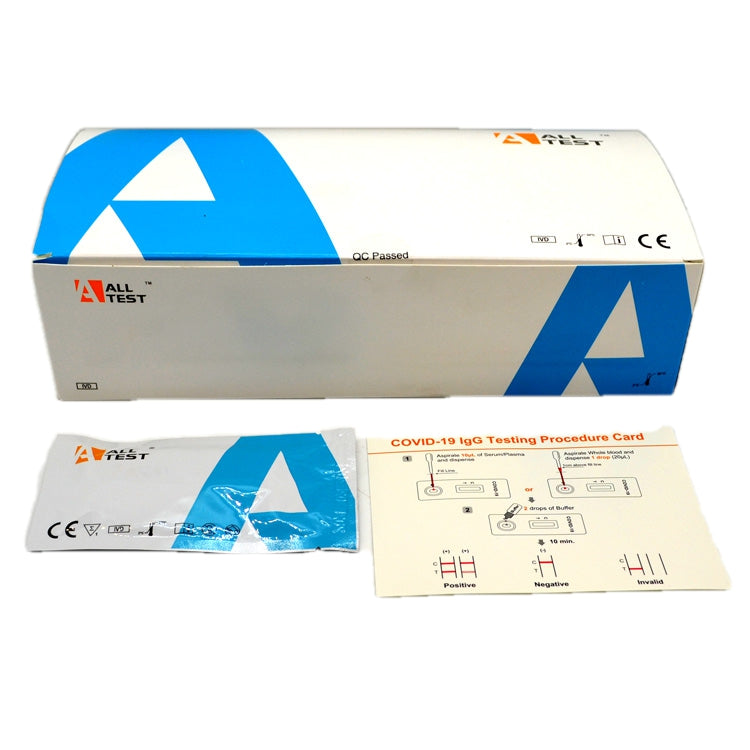
For clinics, occupational health teams and researchers, we supply ALLTEST professional COVID-19 IgG antibody test cassettes in packs of 40. These are rapid qualitative tests intended for use by healthcare professionals only, using a small finger-prick, whole blood, serum or plasma sample. We also supply professional COVID-19 antigen test cassettes in packs of 20 for clinical and occupational health settings. For larger orders, contact our trade team through our wholesale enquiry page.
Frequently asked questions
How much does a COVID test cost in the UK?
Single lateral flow tests usually cost somewhere between £2 and £5, and multipacks work out cheaper per test. Combined COVID and flu tests tend to cost a little more than COVID-only tests, but you get three results from one swab.
Do lateral flow tests still pick up new COVID variants?
Most lateral flow tests detect the nucleocapsid protein, which changes far less between variants than the spike protein does. That's why they've generally kept working as new variants have appeared. Manufacturers keep their tests under review as new variants emerge.
Can I use an out-of-date COVID test?
No. Once a test is past its expiry date it may not give a reliable result, so throw it away and use an in-date kit.
Do I need to report my COVID test result?
Not in England. You don't need to report a lateral flow result, whatever it shows. Arrangements can differ in Scotland, Wales and Northern Ireland, so check with your local health service.
Is an antibody test the same as a lateral flow test?
No. A lateral flow COVID test looks for the virus itself, while an antibody test looks for your immune response to it. Confusingly, some antibody tests use the same lateral flow cassette format, so always check what a test detects before you buy.
Can a COVID test detect flu?
A standard COVID lateral flow test can't. You'll need a combined test with separate lines for influenza A and influenza B.
Can I use a professional COVID test at home?
Professional-use tests are designed and checked for use by trained staff in healthcare settings, so they shouldn't be used as home tests. If you're testing yourself, choose a kit that's specifically labelled for self-testing.
The bottom line
For most people with symptoms, the answer to "where can I get a COVID test kit?" is simple. Buy a lateral flow self-test from a pharmacy, a supermarket or a trusted online supplier, and keep one or two at home so you're not hunting for one when you feel ill. Over the winter months, a combined COVID and flu test saves you a second swab and helps you act quickly if it turns out to be flu. Antibody tests answer a completely different question, and most people don't need one.
Medical Disclaimer
This article is for general information only and isn't a substitute for advice from your GP, pharmacist or another healthcare professional. Home tests are screening tools. A negative result doesn't completely rule out infection, and you should always follow the instructions supplied with your kit.
Free NHS COVID-19 tests: most people in England now need to buy their own tests. If you're aged 12 or over and eligible for COVID-19 treatment because you're at highest risk of becoming seriously ill, you may be able to get free rapid lateral flow tests from some pharmacies. Some people who work in certain healthcare settings can get free tests through their employer. Arrangements differ in Scotland, Wales and Northern Ireland. Check the NHS website for the latest guidance.
Products labelled for professional use are intended for use by trained healthcare professionals only.
If you have severe symptoms, such as struggling to breathe, call 999 straight away.