Tuning forks and tuning fork sets for sale
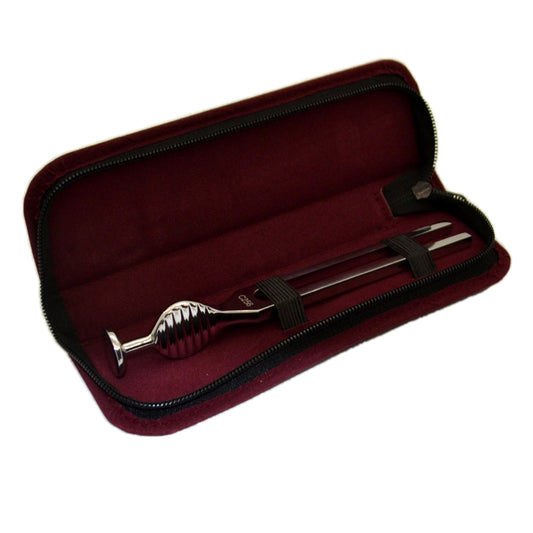
You can buy an individual medical tuning fork or a complete tuning fork set online. We also accept NHS purchase orders for tuning forks and tuning fork sets. Contact us for wholesale tuning forks, and tuning fork set prices. Please send wholesale enquiries and NHS purchase orders for medical tuning forks to trade@adtuk.co.uk
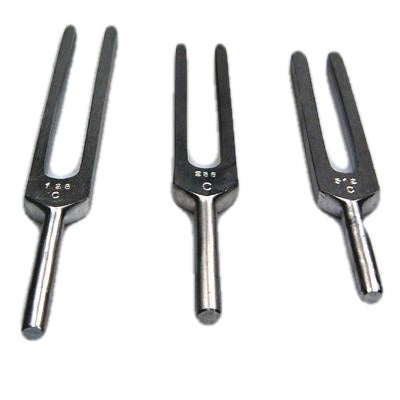
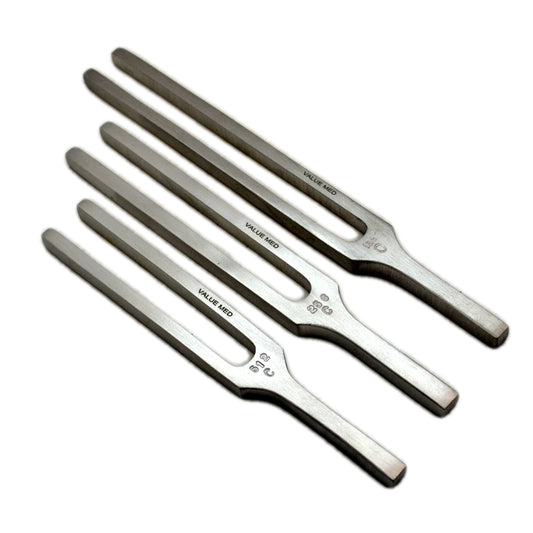
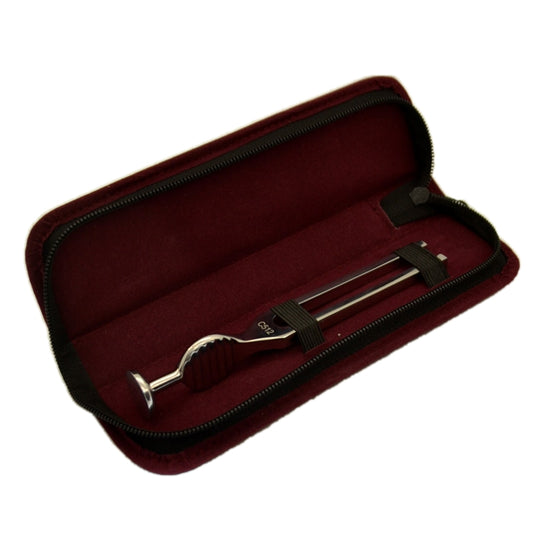
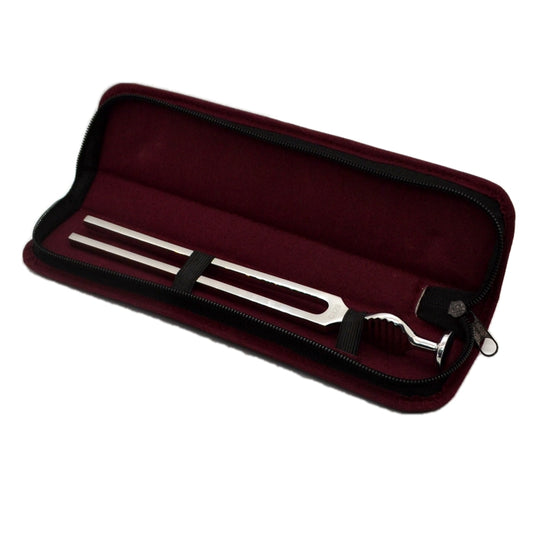
Types of tuning forks and tuning fork sets available for sale online:
- Hooped medical tuning fork
- Lucae tuning fork
- Gardiner Brown medical tuning fork
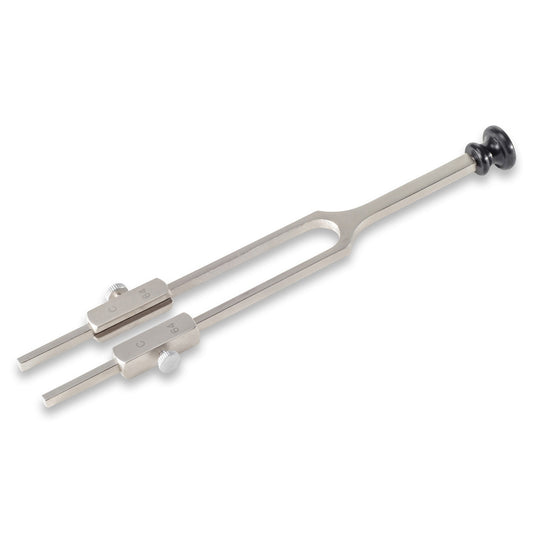
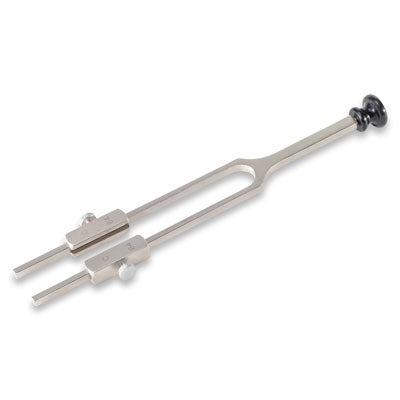
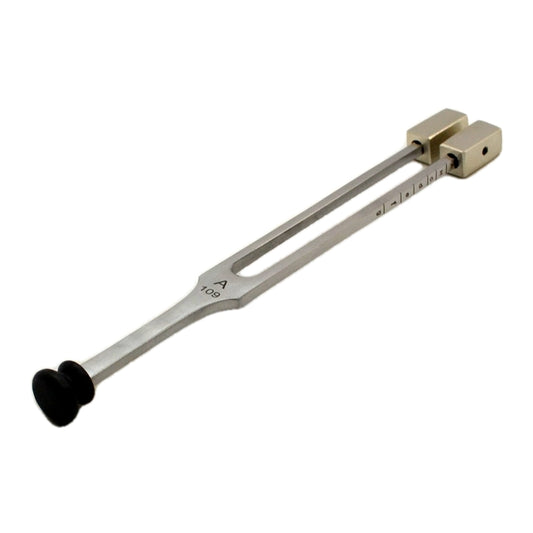
- Rydel Seiffer adjustable frequency medical tuning forks
- Hartmann tuning fork
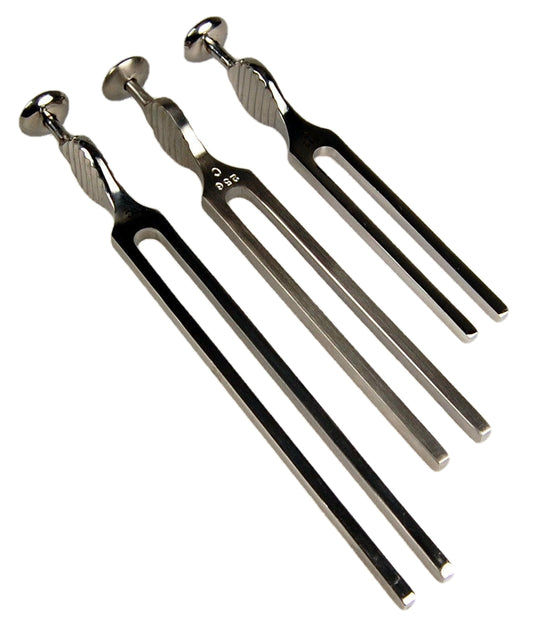
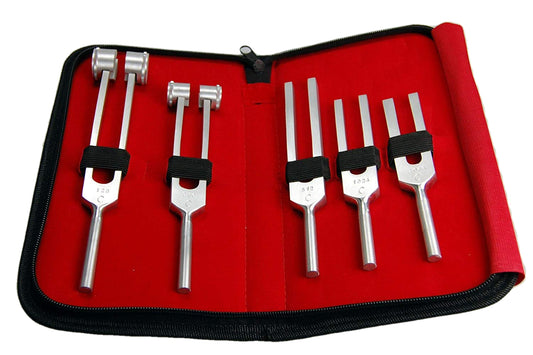
- Hartmann tuning fork set
- Koening tuning fork
- Gardiner brown tuning fork set
- Medical tuning fork sets.
- Hartmann aluminium sound therapy tuning fork set
- Footed hartmann tuning fork set
Tuning forks: types, uses & key differences
Tuning forks are precision-made, two-pronged metal instruments that produce a consistent vibrational tone when struck. Traditionally used in music and sound calibration, they are now widely used in wellbeing practices, hearing assessments, and therapeutic sound work.
Whether you are using them for clinical purposes, holistic therapy, or personal wellness routines, understanding the different types of tuning forks can help you choose the right one for your needs.
What are tuning forks used for?
Tuning forks create a pure acoustic frequency that can be used in a variety of ways, including:
- Hearing tests and auditory assessments
- Energy and vibration-based wellness work
- Muscle and joint relaxation techniques
- Instrument tuning and acoustic calibration
- Sound therapy and relaxation practices
When struck, the fork vibrates at a specific frequency measured in Hertz (Hz), producing a clear, steady tone.
Main types of tuning forks
There are several different types of tuning forks, each designed for a specific purpose. Below are the most common categories and how they differ.
1. Weighted tuning forks
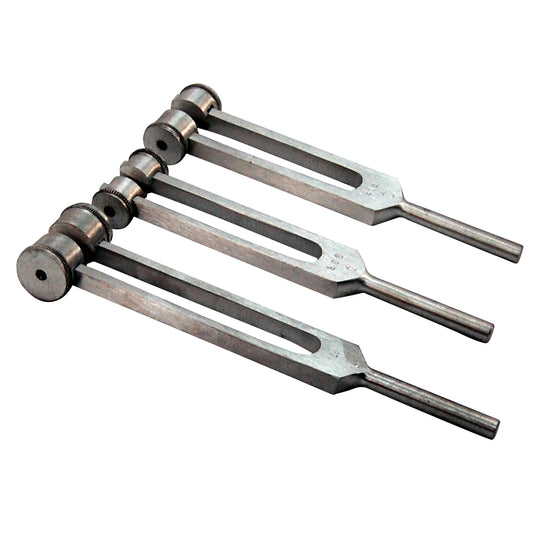
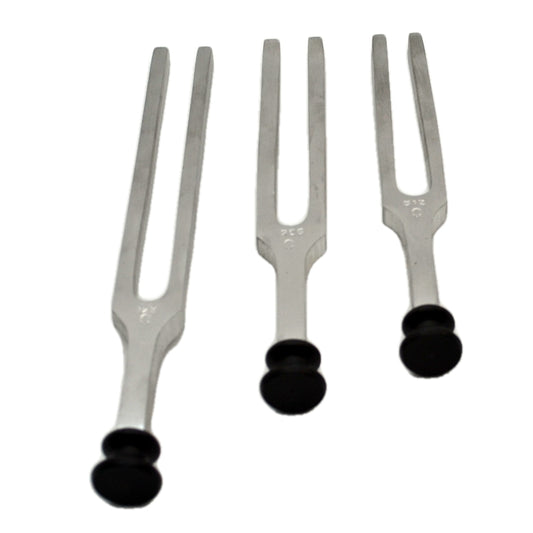
Weighted tuning forks have small weights added to the ends of the prongs. This changes how the vibration behaves.
Key features:
- Stronger, deeper vibrations
- Longer-lasting resonance
- Better transmission through bone and tissue
Common uses:
- Vibration sensation testing
- Muscle and joint work
- Reflexology and acupressure-style techniques
- Body-based sound therapy
Weighted forks are often preferred in therapeutic settings where vibration needs to be felt physically rather than just heard.
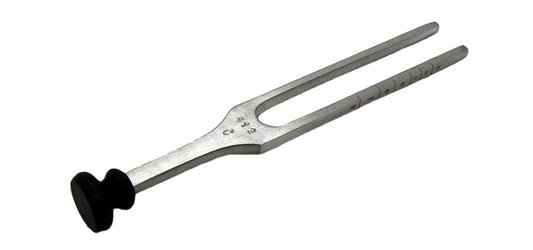
2. Unweighted tuning forks
Unweighted tuning forks are the traditional style with open, bare prongs.
Key features:
- Clear, high-frequency tone
- Shorter vibration duration
- Produces audible sound rather than physical vibration
Common uses:
- Hearing tests and audiology
- Sound calibration
- Meditation and sound awareness practices
These are ideal when the goal is to listen to frequency rather than feel it in the body.
3. Healing or therapy tuning forks
Therapeutic tuning forks are often specially calibrated to specific frequencies believed to support relaxation and wellbeing.
Key features:
- Set to specific frequencies (e.g. 128 Hz, 256 Hz, 432 Hz, 528 Hz)
- May be weighted or unweighted depending on use
- Designed for holistic or complementary practices
Common uses:
- Stress reduction and relaxation
- Mindfulness and meditation support
- Energy balancing practices
Different practitioners may prefer different frequencies depending on their approach.
4. Standard pitch tuning forks
These tuning forks are designed to match musical pitch standards.
Key features:
- Commonly tuned to A440 Hz (standard concert pitch)
- Highly accurate frequency reference
- Durable and consistent tone
Common uses:
- Musical instrument tuning
- Studio and acoustic work
- Educational use in music theory
Key differences between tuning fork types
The main differences come down to three factors:
1. Vibration vs Sound
- Weighted forks = stronger physical vibration
- Unweighted forks = clearer audible tone
2. Frequency Purpose
- Standard pitch forks = musical accuracy
- Therapeutic forks = wellness and relaxation frequencies
3. Application
- Clinical or technical use (hearing, instruments)
- Holistic use (therapy, relaxation, meditation)
- Physical body work (massage-style vibration techniques)
Medical tuning forks: types, uses & key differences
Medical tuning forks are precision instruments used across clinical assessment, neurological testing, and therapeutic sound applications. They produce a pure, consistent vibration at specific frequencies, making them ideal for both diagnostic use and wellbeing practices.
At Valuemed, we supply a range of high-quality medical tuning forks designed for accuracy, durability, and professional use.
Whether you are carrying out neurological checks, hearing tests, or vibration-based therapy, choosing the right type of tuning fork is essential.
What are medical tuning forks used for?
Tuning forks are widely used in healthcare due to their reliable frequency output.
Common uses include:
- Neurological vibration sense testing (peripheral neuropathy screening)
- Hearing tests such as Rinne and Weber tests
- Bone conduction assessment
- Clinical examination of nerve function
- Complementary vibration and sound therapy applications
Because they produce a precise frequency measured in Hertz (Hz), tuning forks offer a simple but effective diagnostic tool.
Types of medical tuning forks
There are two main categories of tuning forks used in medical and therapeutic settings: weighted and unweighted. Each serves a different purpose depending on how the vibration needs to be delivered.
Weighted Tuning Forks
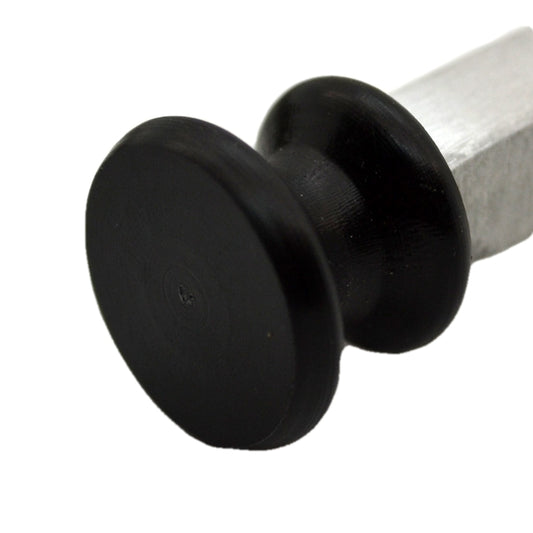
Weighted tuning forks have small metal weights attached to the ends of the prongs. These weights increase the intensity of vibration and allow it to travel more effectively through bone and tissue.
Key features:
- Strong, deep vibration you can feel through the body
- Longer-lasting resonance
- Designed for direct physical application
Common clinical uses:
- Neurological vibration testing (e.g. peripheral neuropathy screening)
- Bone conduction assessment
- Applied body work in clinical or therapeutic settings
- Musculoskeletal and joint evaluation techniques
Weighted forks are most commonly used at lower frequencies such as 64 Hz and 128 Hz, where vibration transmission through bone is most effective.
Unweighted tuning forks
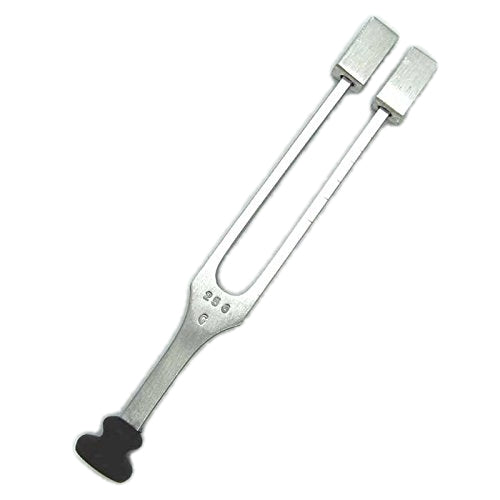
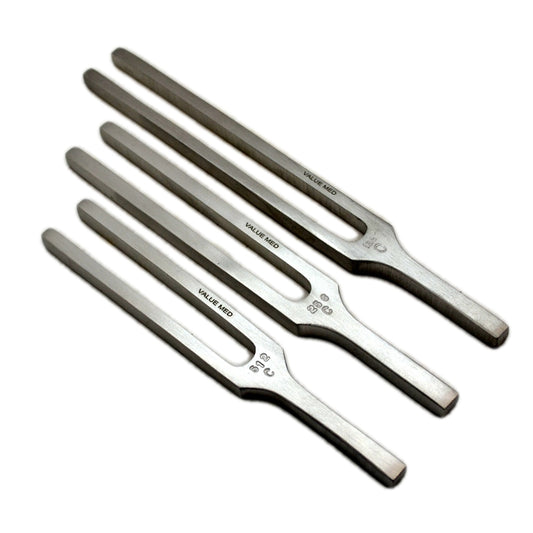
Unweighted tuning forks have plain prongs without additional mass. They produce a clearer audible tone with less physical vibration.
Key features:
- Crisp, clean sound
- Shorter vibration duration
- Best used for listening-based assessments
Common clinical uses:
- Hearing tests (Rinne and Weber tests)
- Auditory function assessment
- Sound-based diagnostic comparison
- Educational and clinical training
Unweighted forks are typically used at higher frequencies such as 256 Hz and 512 Hz, which are ideal for hearing and sound perception tests.
Common medical tuning fork frequencies
Different frequencies are used for different clinical purposes:
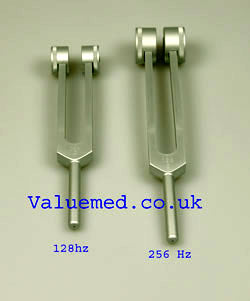
128 Hz Tuning Fork
- Most commonly used for neurological vibration testing
- Standard for assessing vibration sense in extremities
- Often used in neuropathy screening
- Works best as a weighted tuning fork
256 Hz Tuning Fork
- Commonly used for hearing tests (Rinne test)
- Clear, mid-range tone for auditory comparison
- Often used as an unweighted fork
512 Hz Tuning Fork
- High-frequency hearing assessment
- Excellent for air conduction testing
- Standard in ENT and audiology practice
Weighted vs unweighted: key differences
The main difference between medical tuning forks comes down to how the vibration behaves:
-
Weighted forks = physical vibration through bone and tissue (ideal for neurological testing)
-
Unweighted forks = audible sound through air (ideal for hearing tests)
Both types are essential in clinical practice, but they serve completely different diagnostic functions.
How to choose the right medical tuning fork
When selecting a medical tuning fork, consider:
- The type of assessment you are performing (hearing vs neurological)
- Whether you need vibration through bone or sound through air
- The required frequency for clinical accuracy
- Whether weighted or unweighted design is appropriate
Many clinicians keep a combination of forks to cover both neurological and auditory testing.
Medical tuning forks remain a trusted, simple, and effective tool in both clinical and therapeutic environments. Whether used for neurological screening or hearing assessment, they provide reliable frequency-based diagnostics that are quick, non-invasive, and easy to perform.
Understanding the difference between weighted and unweighted tuning forks — and choosing the correct frequency — ensures accurate results and professional-grade assessment.
Choosing the right tuning fork
When selecting a tuning fork, consider:
- Your intended use (therapy, music, clinical, or personal wellbeing)
- Whether you want to feel vibration or hear tone
- The frequency required for your practice
- Whether you prefer weighted or unweighted design
Many practitioners use a combination of tuning forks to achieve different effects.
Tuning forks are simple yet powerful tools that bridge science, sound, and wellbeing. From precise musical calibration to deeply relaxing vibrational therapy, each type offers a unique experience.
Understanding the differences between weighted, unweighted, medical testing, therapeutic, and standard pitch tuning forks helps you choose the right tool for your practice and achieve the best results.